

Introduction
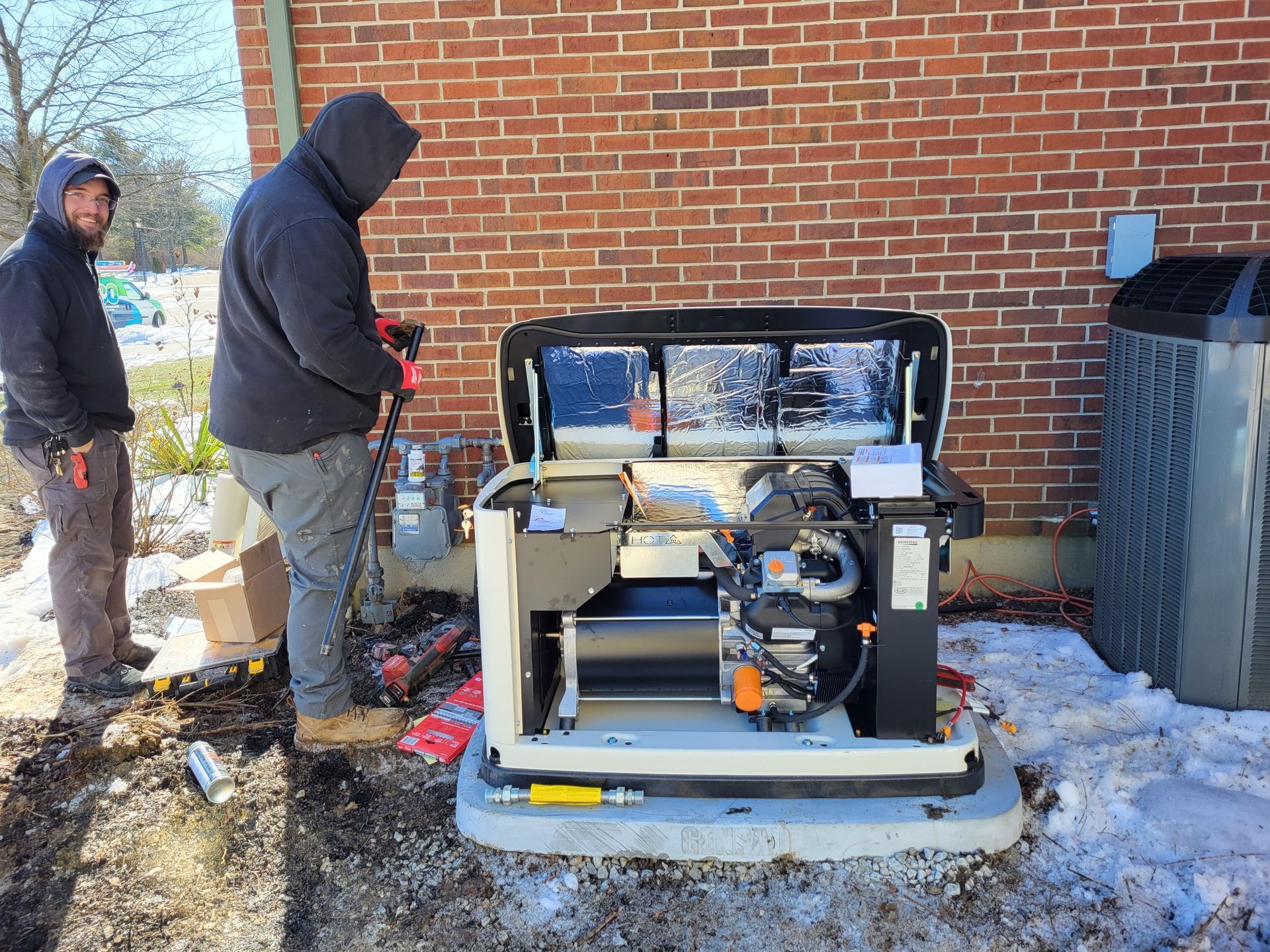
Adding a generator to your home isn’t just about keeping the lights on during a storm. It’s a serious electrical upgrade. When a generator kicks in, it has to interact seamlessly with your existing system. That means your wiring, panel, and transfer switch all play key roles. A poorly installed generator can overload circuits, cause unsafe backfeeding, or reduce efficiency. On the flip side, a well-planned generator installation in Columbus OH, improves energy reliability and long-term safety. Understanding how this new component fits into your electrical system helps you make better decisions before and after installation.
Impact of Generator Installs on Home Electrical System
1. Your Electrical Panel Must Handle Additional Load
The generator connects directly to your home’s electrical panel. That means your panel must be able to manage both the utility power and generator power. If it’s outdated or close to capacity, your electrical experts may recommend an upgrade. This step isn’t just for convenience—it’s a safety measure. An overloaded panel can lead to tripped breakers or even fire risks when switching power sources. Proper load calculation guarantees your panel can handle both normal usage and generator input without strain.
2. Transfer Switch Installation Is Critical
A transfer switch allows your home to switch between grid power and generator power safely. It prevents power from flowing back into the utility lines, which could harm line workers or damage your system. There are two types: manual and automatic. A manual switch requires you to flip the connection during an outage, while an automatic switch senses the loss of power and turns the generator on by itself. Either option must be wired correctly to work with your home’s circuits and panel safely.
3. Circuits May Be Re-Routed or Prioritized
When installing a generator, not every circuit may be backed up. Most systems are sized to run essentials like the fridge, sump pump, lights, and maybe your HVAC. This means your technical experts might rewire or label circuits that connect to the generator load. You’ll need to decide what stays powered during an outage. This planning step protects the generator from overload and helps your household stay functional during blackouts.
4. Grounding and Surge Protection Are Essential
Connecting a generator adds new grounding points to your system. These must be correctly bonded to avoid dangerous voltage differences between devices. Improper grounding can lead to shocks or damage sensitive electronics. Surge protection also becomes more important. When power switches back and forth, especially during storms, voltage spikes are more likely. A whole-home surge protector keeps your wiring and devices safe during these transitions.
5. Energy Monitoring Can Change with Backup Power
After a generator is installed, your energy usage habits may shift. You might use more power during outages than expected. Some homeowners choose to add energy monitors to track usage in real time. These tools can help you manage load and make decisions about fuel usage. You may also notice patterns that suggest your generator should cover more or fewer circuits. Monitoring makes your system smarter and more efficient in the long run.
Installing a generator affects more than just how your lights stay on. It changes how your electrical panel behaves, how circuits are prioritized, and how power flows through your home. With the right setup, a generator becomes a trusted ally during storms and outages. But it has to be planned, installed, and monitored carefully. Always work with an experienced technician to get the job done right from day one.
Conclusion
Are you looking for a reliable electrician in Cincinnati OH, to handle your generator setup? Trust the pros at Eco Plumbers, Electricians, and HVAC Technicians for safe, expert service. Call us at (855) 326-7586 today!
📌 Trusted experts near you! Visit our Eco Service Center for fast, friendly plumbing, electrical & HVAC services you can count on — locally owned!