


Knowing how to find your septic tank is essential for proper maintenance and preventing costly plumbing issues. Many homeowners struggle to locate their septic system because it’s buried underground, but finding it doesn’t have to be a mystery.
With the right tools, techniques, and guidance, you can successfully identify your septic tank’s location and ensure it stays in optimal working condition.
This comprehensive blog will detail the proven methods, common mistakes to avoid, and professional insights to help you locate your septic tank with confidence.
What Is a Septic System?
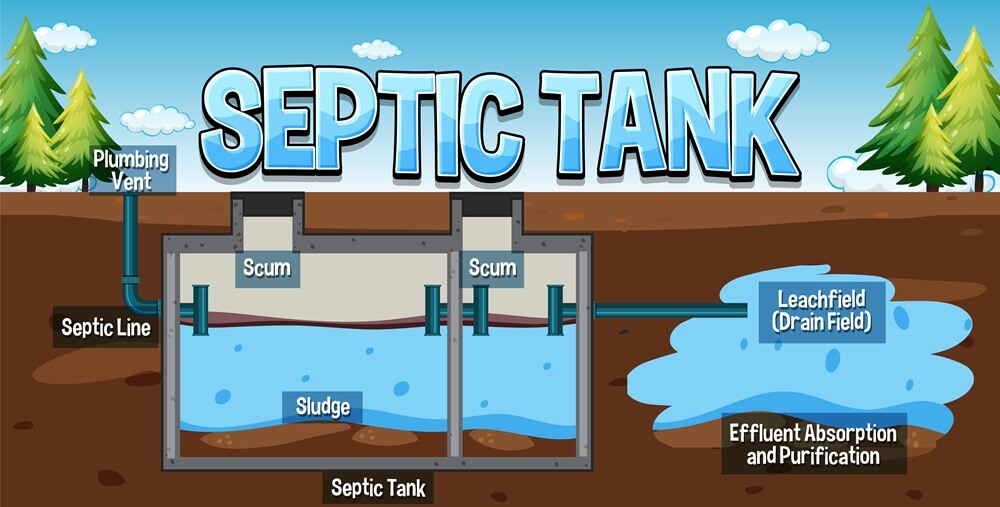
A septic system is an underground wastewater treatment system commonly used in homes that aren’t connected to a municipal sewer system. It typically consists of a septic tank and a drain field that treats and disperses wastewater from your household plumbing.
Why Is Locating Your Septic Tank Important?
Understanding where your septic tank is located is crucial for performing septic tank inspections, scheduling maintenance, and preventing system backups. When homeowners cannot find septic tank components, they risk damaging the system while landscaping or digging.
Additionally, regular access is necessary for pumping and inspection, both of which are vital for keeping your septic system efficient and preventing groundwater contamination.
Finding your septic tank is also important for septic tank mapping and planning property renovations or additions. Without knowing the exact location, you might inadvertently cause damage that leads to costly repairs.
Primary Methods to Find Your Septic Tank
A. Check Property Records and Septic System Maps
The first step in locating your septic tank is reviewing your property records or permits. Local health departments or building offices often maintain detailed files containing your property’s original septic system map. These maps indicate where the tank, drain field, and connecting pipes were installed.
Accessing your property septic permits is usually simple, you can request them in person or through the municipality’s online records portal. Once obtained, use the septic system map to narrow down potential tank locations. These maps often show reference points such as your home’s foundation, water well, or driveway, helping you triangulate the likely position of your tank.
Locating your tank using records ensures accuracy, especially if your property has been modified over time. It’s one of the most reliable ways to find septic tank information without physical digging.
B. Look for Physical Signs in Your Yard
Your yard can provide subtle clues that indicate your septic tank’s position. Some septic system indicators include greener or faster-growing grass in specific patches, which could suggest nutrient-rich effluent seeping from the tank or drain field.
You may also notice small mounds or depressions in your lawn where the ground has settled over buried septic system components. Another telltale sign is the location of sewer cleanout pipes, typically extending from your home toward the septic system.
These septic tank signs and yard clues can guide your search before you use any equipment. However, it’s important not to mistake other yard irregularities, like irrigation leaks or natural soil settling, for septic tank markers. Observing carefully helps you locate septic tank systems without unnecessary disruption.
C. Use a Metal Detector or Probe Rod
If you prefer a hands-on approach, using a metal detector or a soil probe can be highly effective. Many older tanks have metal lids or components that a metal detector septic tank scan can detect through the soil. Even modern tanks with concrete covers may contain metal reinforcement detectable by the device.
Alternatively, you can use a long, thin probe rod to gently test the ground. Insert it about every 12 inches in suspected areas until you feel resistance – this could indicate the tank’s top. However, this septic tank probe technique should be performed carefully to avoid damaging pipes or the tank lid.
Metal detectors and probes are particularly useful for DIY septic tank locating when property records aren’t available or maps are outdated. Just remember to work slowly and methodically across your yard.
D. Hire a Professional Septic Tank Locating Service
When self-locating methods fail or when you want complete certainty, calling a professional septic locating service is the safest and most accurate option. Licensed plumbers and septic specialists have specialized tools like ground radar and electronic transmitters that can pinpoint the exact position of your tank without excavation.
A professional can also conduct a septic tank inspection to check for leaks, blockages, or system deterioration. The septic tank inspection cost varies but typically ranges from $150 to $400, depending on accessibility and region.
Hiring experts eliminates guesswork, reduces damage risk, and ensures accurate septic tank locating, especially on older properties where maps are outdated or tanks are buried deeper than usual.
E. Employ Ground Penetrating Radar (GPR) Technology
For the most advanced method, consider ground-penetrating radar (GPR) technology. GPR locating uses radar pulses that penetrate the soil to identify buried structures. It creates a real-time subsurface image, showing the tank’s shape and depth without any digging.
Ground radar for septic systems is precise and non-invasive, making it ideal for large properties, commercial buildings, or complex septic layouts. The only drawback is the higher cost and need for professional operation. However, this method is worth considering when accuracy and minimal disruption are priorities.
GPR technology is also useful for verifying septic tank depth and ensuring future maintenance or replacements are carried out efficiently and safely.
How to Find a Septic Tank on Your Property: Step-by-Step Process
Here is a step-by-step process on how to find a septic tank on your property.
Step 1: Review Property Documentation and Permits
Start by checking your property records for septic layout information. This will provide a clear starting point for your process of locating the septic tank and saving time during your search.
Step 2: Observe Your Yard for Visible Signs
Look for indicators like greener grass patches, small mounds, or exposed cleanouts. These clues help you find septic tank systems naturally without intrusive digging.
Step 3: Measure Typical Distances from House
In most homes, septic tanks are located about 10 to 30 feet away from the house. Understanding the standard septic tank distance from the house helps narrow your search area.
Step 4: Use Metal Detector/Probe Methods
Once you’ve identified a probable area, scan with a metal detector or probe the ground to feel for solid resistance. Proceed carefully to avoid damaging pipes or tank lids.
Step 5: Call a Professional if Necessary
If your efforts fail or you need confirmation, contact a certified professional for septic tank location verification. They can also perform an on-the-spot inspection and advise on maintenance schedules.
Following these steps ensures a safe and effective locating process, even if you’ve never done it before.
Common Mistakes to Avoid When Trying to Find Your Septic Tank
Avoid random digging without a plan. Uninformed digging can damage pipes, wiring, or even the tank itself. Always verify your septic tank location through reliable clues or records before excavating.
Another common error is misinterpreting signs. Not every green patch or mound indicates septic activity; some may result from natural soil variations or sprinkler systems. Relying on multiple septic system indicators improves accuracy.
Homeowners also make septic locating errors by ignoring local regulations. Some municipalities require permits or professional involvement before you expose or service a septic system. Always check local codes to avoid violations or fines.
Understanding these septic tank finding mistakes will save you time, money, and frustration during your locating process.
Importance of Septic System Maintenance
Once you locate your tank, don’t overlook the septic maintenance importance. Regular pumping and inspection every three to five years keep your septic system functioning properly. Skipping maintenance can lead to clogs, overflows, or costly replacements.
Maintaining proper care also extends the lifespan of components and prevents environmental contamination. If you’re unsure about your system’s condition, schedule a professional septic tank inspection frequency based on your household size and water usage.
Taking proactive care and scheduling services, such as septic tank and sewer line video inspections, ensures long-term peace of mind and helps avoid emergency repairs.
Conclusion
Finding your septic tank doesn’t have to be a complicated or stressful task. With patience, observation, and the right methods, such as checking property records, inspecting your yard, and using tools like metal detectors or GPR, you can accurately locate your tank and ensure your septic system stays in top condition.
If you’re ever unsure, calling a professional from Eco Plumbers, Electricians, and HVAC Technicians at (855) 326-7586 for septic tank locating and inspection is the smartest move. Regular maintenance, proper documentation, and understanding your system’s layout will help you avoid future plumbing issues and extend the life of your septic system.
FAQs
1. Can you locate a septic tank without professional help?
Yes, homeowners can often locate their septic tanks using property maps, visible yard indicators, or metal detectors. However, if you’re unable to find it safely, professional help ensures accuracy without damage.
2. Where Are Septic Tanks Located?
Septic tanks are usually buried 10 to 30 feet away from the house, aligned with the main sewer pipe that exits the building.
3. How To Find The Septic Tank In Your Yard?
Start by finding your sewer cleanout pipe, then walk outward 10–25 feet in the same direction. Look for signs like greener grass, small mounds, or exposed access lids.
4. How deep will my septic tank cover be located?
Most septic tank lids are buried 6 inches to 4 feet underground, depending on your property’s soil, landscape, and local regulations. A professional can help determine the exact septic tank depth.
5. How often should you clean your septic tank?
Experts recommend cleaning or pumping your tank every three to five years, depending on usage. Regular cleaning ensures optimal performance and prevents blockages or overflows.