


Introduction
Did you know that nearly half of all heating system problems start with installation errors? A well-installed heat pump can last over 15 years, but a poorly installed one can lead to frequent repairs, high bills, and early failure. Homeowners investing in heat pump installation in Columbus, OH, often overlook critical steps that make-or-break system performance. From choosing the wrong size to skipping airflow checks, every detail matters. Let’s explore the most common mistakes professionals warn against (and what you can do to avoid them).
Common Heat Pump Installation Mistakes to Avoid
1. Choosing the Wrong Heat Pump Size
Bigger doesn’t always mean better when it comes to heat pumps. A unit that’s too large will short-cycle, wasting energy and wearing out faster. Too small, and it will struggle to heat or cool your space efficiently. To avoid this, have a professional perform a load calculation before buying. This process considers your home’s size, insulation, and window placement. Getting the sizing right means steady comfort and lower operating costs year-round.
2. Ignoring Proper Placement and Clearance
Where your heat pump sits affects its performance more than most people realize. Installing it in a cramped or poorly ventilated area can block airflow and reduce efficiency. The outdoor unit needs several feet of open space for proper circulation and to prevent debris buildup. Keep it away from direct snow or rain exposure, and use a small cover or stand if necessary. A strategic placement extends the system’s life and keeps it running quietly and smoothly.
3. Skipping Professional Wiring and Setup
A heat pump’s electrical connections must be precise. DIY installation often leads to faulty wiring, tripped breakers, or damaged components: problems homeowners with a heat pump in Chillicothe, OH, frequently face after improper installation. Licensed technicians follow electrical codes, test voltage levels, and calibrate the system’s settings before the first use. This careful setup prevents short circuits, making the system safer and more reliable for long-term use.
4. Forgetting to Check Refrigerant Levels
Refrigerant is the lifeblood of your heat pump. Too little or too much affects its ability to transfer heat, making it run harder and increasing energy costs. A common mistake is skipping this check during installation. Professionals use specialized tools to accurately measure and balance refrigerant levels. Getting this step right helps maintain consistent indoor comfort while reducing wear on the compressor, one of the costliest parts to replace.
5. Neglecting Airflow and Duct Testing
Even the best heat pump can’t perform well with restricted airflow. Dirty ducts, poor sealing, or undersized vents can force the system to overwork, driving up utility bills. During installation, technicians should test airflow rates and inspect ducts for leaks. Regular cleaning and maintenance afterward help keep the air moving efficiently. When air flows freely, your home reaches the desired temperature faster and stays there longer, without straining the unit.
Avoiding these mistakes isn’t just about performance; it’s about long-term savings and comfort. A heat pump installed with precision delivers quieter operation, consistent heating, and better air quality throughout your home. When you invest time and care into proper setup, you’re also investing in your system’s durability and energy efficiency for years to come.
Conclusion
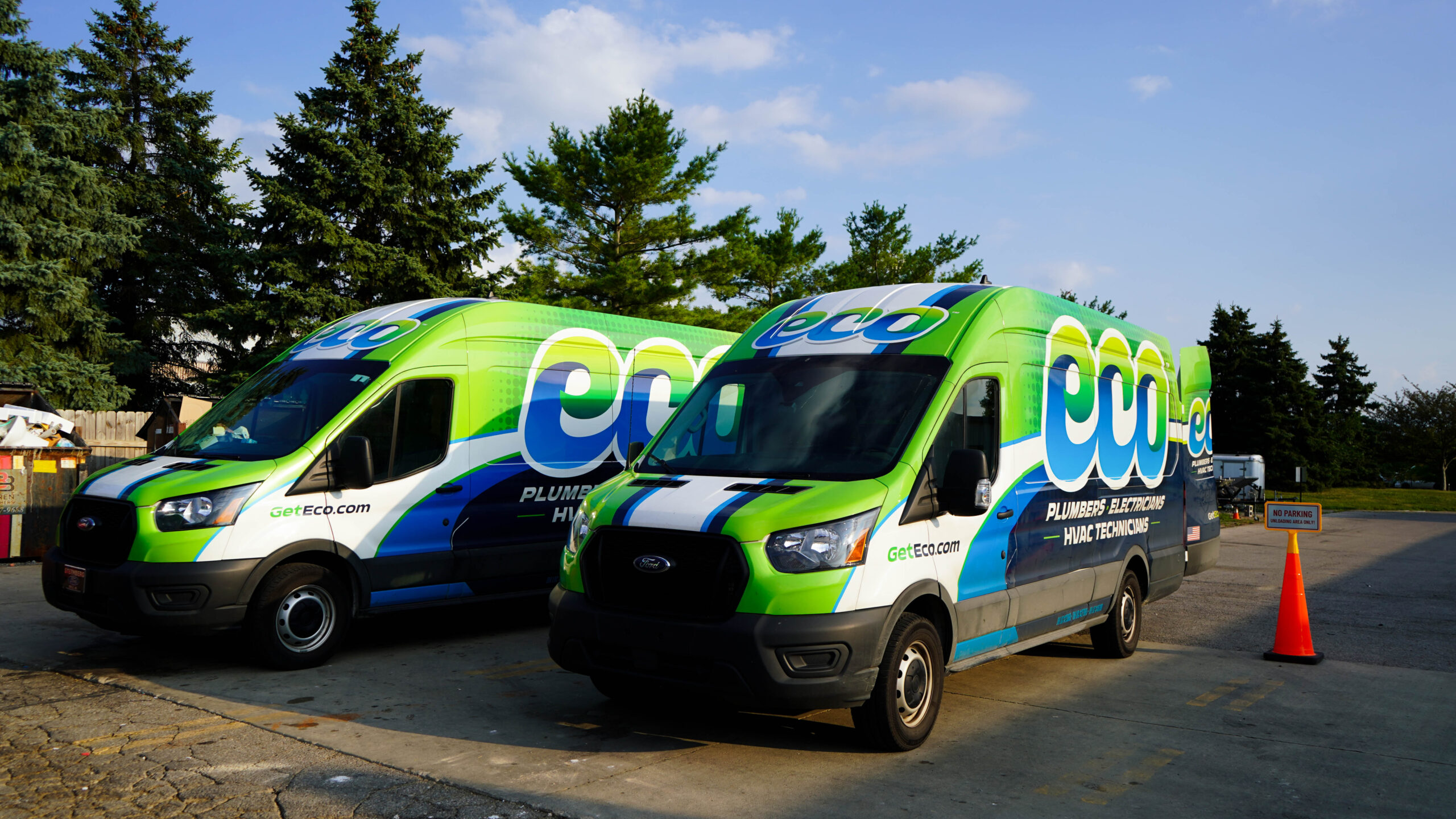
Upgrade your comfort with expert installation for your heat system. Contact Eco Plumbers, Electricians, and HVAC Technicians at (855) 326-7586.
📌Your local solution for home comfort! Visit Eco Service Center for expert plumbing, electrical & HVAC help from pros you can trust.