

Electrical problems are among the most common issues homeowners face, yet they are also some of the most dangerous to ignore. From flickering lights to outlets that suddenly stop working, small electrical concerns can quickly escalate into safety hazards if left unaddressed. Understanding what causes these issues and how to respond safely can help protect your home and family.
While some problems require professional attention, knowing the basics empowers homeowners to act responsibly and avoid panic. This guide from Eco Plumbers, Electricians, and HVAC Technicians explains frequent household electrical challenges, how they typically occur, and what safe steps you can take before calling for electrical repair.
1. Frequent Circuit Breaker Trips
Circuit breakers are designed to shut off power when circuits become overloaded, preventing overheating and fires. Frequent tripping usually means too many devices are drawing power from the same circuit, or a single appliance is malfunctioning.
A safe first step is unplugging nonessential devices and redistributing the electrical load across different outlets. If the breaker continues to trip even with minimal usage, it signals a deeper wiring issue that should not be ignored.
2. Flickering or Dimming Lights
Lights that flicker or dim intermittently often indicate loose connections or overloaded circuits. This problem may appear harmless, but unstable electrical flow can damage fixtures and appliances over time.
Start by checking whether the issue occurs with a single light or throughout the home. If multiple rooms are affected, the problem may lie within the main wiring system, making professional evaluation essential.
3. Dead Outlets or Switches
An outlet that suddenly stops working can be frustrating, especially if it powers essential devices. In many cases, the cause is a tripped breaker or a GFCI outlet that has shut itself off for safety. Resetting the breaker or GFCI outlet is a safe initial step. If the outlet remains inactive, internal wiring damage or worn components may be present, requiring further attention.
4. Warm or Sparking Outlets
Outlets that feel warm or emit sparks are serious warning signs. These symptoms often point to loose wiring or internal arcing, both of which significantly increase fire risk. Immediately stop using the outlet and turn off the power to that area of the home. This is not a situation for DIY fixes, as improper handling can worsen the hazard.
5. Frequently Blown Fuses
Older homes with fuse boxes may experience blown fuses when circuits are overloaded. This usually happens when modern appliances demand more power than the system was designed to handle. Replacing a fuse with one of the correct rating is safe, but repeated failures indicate the need for system upgrades. Continuing to replace fuses without addressing the root cause can be dangerous.
6. Burning Smells or Buzzing Sounds
A burning odor or persistent buzzing sound near outlets or panels often signals overheating wires or faulty connections. These signs should never be ignored, even if they disappear temporarily. Shut off power to the affected area immediately and avoid using nearby outlets. Early response can prevent extensive damage and reduce the risk of electrical fires.
7. Outdated or Faulty Wiring
Homes with aging wiring systems may struggle to support modern electrical demands. Materials can degrade over time, increasing the likelihood of shorts and power interruptions. An experienced electrician can assess whether rewiring or targeted upgrades are necessary. Addressing outdated wiring proactively improves both safety and efficiency.
8. Improper Installations and Overloaded Panels
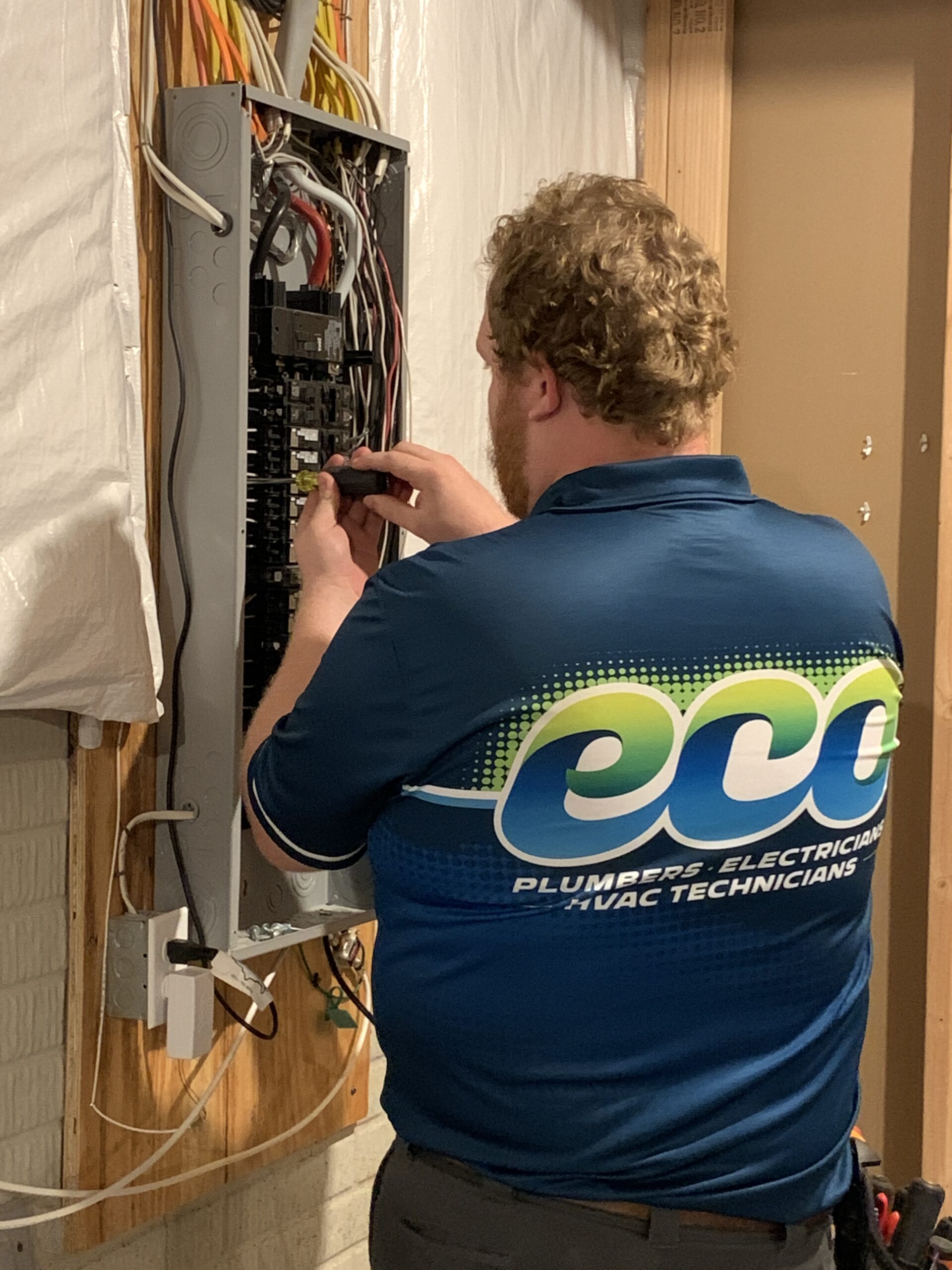
Poor electrical installation practices or overloaded breaker panels often result in inconsistent power and safety issues. This is especially common after DIY renovations or home additions. A thorough inspection helps identify hidden risks and ensures the system meets current safety standards. Correcting these problems early helps avoid future breakdowns and unexpected outages.
Conclusion
Electrical issues rarely resolve themselves and often worsen when ignored. While some minor problems can be addressed safely by homeowners, many require professional expertise to ensure lasting solutions. Recognizing early warning signs such as flickering lights, warm outlets, or unusual sounds can prevent serious hazards.
Taking a proactive approach to home electrical inspection protects both property and personal safety. When in doubt, prioritizing caution and expert evaluation is always the safest choice.
If you notice recurring electrical issues in your home, don’t wait for them to escalate. Schedule a professional evaluation with the experienced electricians from our team at Eco Plumbers, Electricians, and HVAC Technicians at (855) 326-7586 to keep your system safe and reliable.
FAQs
1. What are the most common signs of electrical problems in a home?
Common signs include flickering lights, frequently tripped breakers, warm outlets, burning smells, and outlets that stop working unexpectedly. These issues often indicate wiring or load-related problems.
2. Is it safe to fix electrical issues without professional help?
Minor steps like resetting breakers can be safe, but most electrical problems require professional expertise. Attempting complex fixes without training increases the risk of injury and fire.
3. How often should a home electrical system be inspected?
Most experts recommend a full inspection every 3–5 years or after major renovations. Regular evaluations help identify hidden risks before they become serious safety concerns.