What Is a Sump Pump?
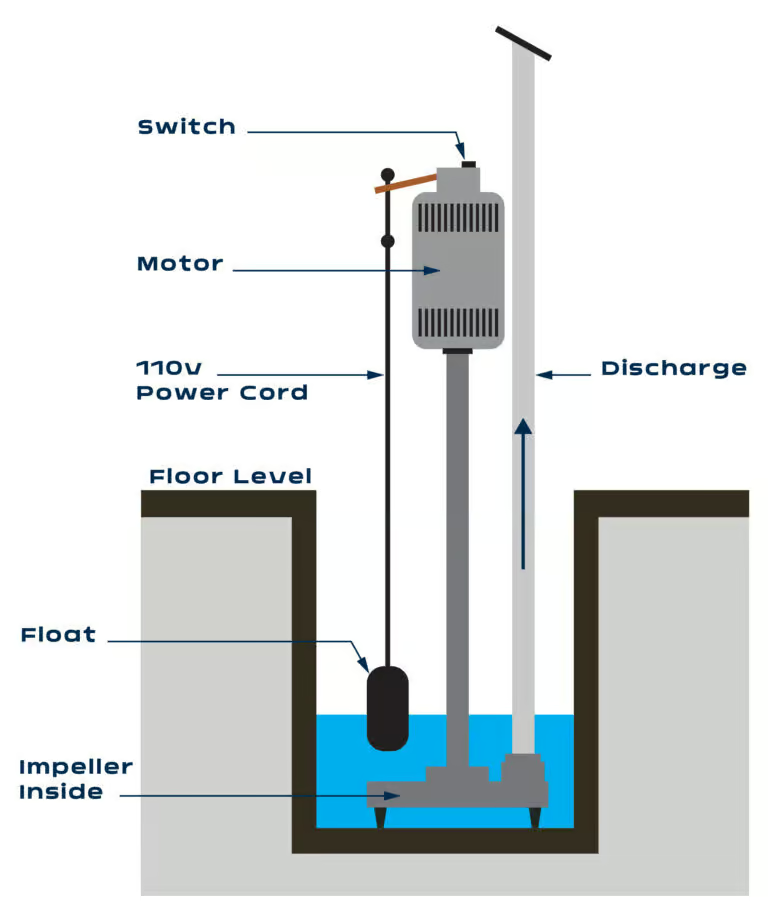
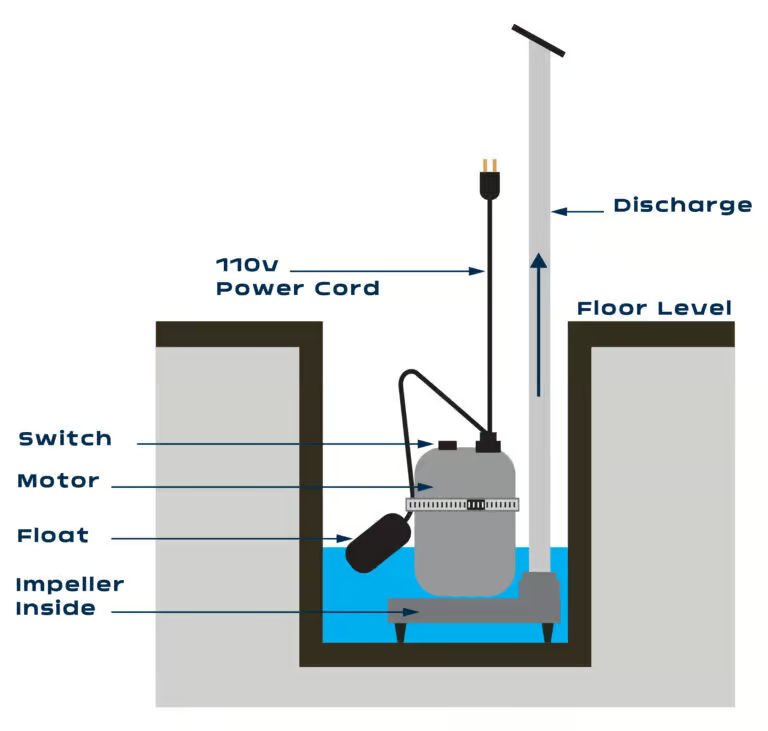
A sump pump is a small mechanical pump installed in the lowest part of your basement or crawl space that removes excess groundwater before it can flood your home. It sits inside a sump pit, a basin cut into the concrete floor that collects water from around your foundation. When groundwater levels rise (after heavy rain or snowmelt), water flows into this pit. Once it reaches a certain height, a float switch activates the pump, which pushes the water through a discharge pipe and safely away from your home.Why Do Some Homes Need a Sump Pump?
Water doesn’t have to flood your basement in inches to cause serious damage. In many cases, it’s slow, invisible moisture intrusion that creates the biggest long-term problems. Water naturally collects around your foundation for several reasons.- Heavy rainfall
- High water tables
- Poor exterior grading
- Clay soil (common in parts of Ohio)
- Snowmelt
- Clogged gutters or short downspouts
- Relieves hydrostatic pressure
- Reduces the likelihood of seepage
- Keeps the basement humidity lower
- Protects structural integrity
How Much Does a Sump Pump Installation Cost?
If you’re considering protecting your basement from water damage, one of the first questions you likely have is: how much does a sump pump cost? The short answer is that most homeowners spend between $1,000-$4,000 for professional sump pump installation, depending on the system and complexity of the job. Below is a clearer breakdown of what affects the total cost and what you can expect to pay.1. Type of Sump Pump
There are two primary types of sump pumps, and the one you choose will influence both upfront and long-term costs.
Pedestal Sump Pumps
- Motor sits above the pit
- More affordable
- Easier to service
- Typically louder
Submersible Sump Pumps
- Installed inside the sump pit
- Quieter operation
- Longer lifespan
- Better for higher water volumes

2. Total Installation Cost
When homeowners ask about sump pump costs, they’re usually asking about the total installed price, not just the pump itself. If you already have a sump pump pit and discharge line, the job is relatively simple. Replacing the pump typically costs $600-$1,500 (without a battery backup), including labor and minor plumbing adjustments. This is the lower end of the price range since no excavation or concrete work is required. If your home does not have an existing sump pump system, the costs increase significantly. Contractors must cut into the concrete floor, excavate the pit, install the basin, and discharge piping, reconnect electrical, and re-cement the floor. For a brand new system, expect to pay $7,000-$12,000, depending on basement accountability, concrete thickness, local labor rates, and permit requirements. Excavation and concrete work are the biggest cost drivers.3. Battery Backup Systems (Highly Recommended)
A sump pump is only effective if it has power. Unfortunately, heavy storms often cause power outages, and that’s when you need your pump the most. Battery backup systems typically cost an additional $850 to $1,750, but they allow your pump to continue operating during power outages. For many homeowners, this added protection provides peace of mind and can prevent costly basement flooding during severe weather.Protecting Your Foundation Is Protecting Your Home’s Value
Your home’s foundation supports everything above it, from the framing and flooring to the roof over your head. When moisture goes unchecked, the damage extends far beyond the concrete itself. Persistent water intrusion can weaken your home’s structural integrity, compromise indoor air quality, and damage any finished basement spaces you’ve invested in. It can also affect your home’s resale value and create red flags during a home inspection. Today’s buyers are especially cautious about signs of past water damage. A documented history of flooding or mold growth can significantly reduce buyer confidence and overall property appeal. Investing in proper drainage and moisture prevention isn’t just about avoiding repairs; it’s one of the most practical long-term decisions you can make to protect your home’s value, safety, and livability.Should You Replace or Install a Sump Pump Now or Wait?
If you’re dealing with moisture in your basement, you’re likely wondering how serious the problem really is and what it could mean for your home long term. Now that you understand how ongoing water intrusion can lead to foundation cracks, structural shifting, and mold growth, you also know that the right drainage system, including a properly installed sump pump, can stop that damage before it starts. The good news is that basement moisture problems are highly manageable when addressed early. At Eco Plumbers, Electricians, and HVAC Technicians, we specialize in diagnosing the root cause of basement water issues and recommending drainage solutions tailored to your home’s specific conditions, not a one-size-fits-all fix. If you’re seeing signs of water intrusion, your next step is to schedule a sump pump and downspout drainage inspection. That way, you can clearly understand your risk, your options, and the most cost-effective path forward before a minor moisture issue turns into a major repair.FAQs
How do I know if I really need a sump pump?
You may need a sump pump if you’ve experienced basement flooding, standing water after heavy rain, foundation cracks, musty odors, or visible mold growth. Homes built in areas with a high water table or heavy clay soil are especially prone to water buildup around the foundation. Even if you haven’t had major flooding yet, early signs of moisture intrusion often indicate that preventative drainage solutions could protect you from more expensive structural damage later.
Is a sump pump worth the investment?
For most homeowners, yes. A professionally installed sump pump system typically costs between $1,000 and $4,000, while foundation repairs or mold remediation can range from several thousand dollars to over $20,000. When you compare the upfront cost to the potential long-term repair expenses, a sump pump often acts as a form of insurance against significantly larger financial losses.
How long does a sump pump last?
Most sump pumps last between 7–10 years, depending on usage, maintenance, and water volume. Homes that experience frequent heavy rainfall may see shorter lifespans due to increased wear on the motor. Regular inspections, cleaning the sump pit, and installing a battery backup system can extend the life of your pump and ensure it works when you need it most.