

If you’ve been told there’s something wrong with your electrical panel, you’re probably wondering…
Do you really need to replace it, or can it be safely repaired?
And maybe more importantly, how do you know if you are being advised to spend more than you actually need to?
These are common questions, especially when you are facing conflicting recommendations, unexpected costs, and the underlying concern that your home’s safety could be at risk.
The truth is, the right answer depends on a few key factors, like the age of your panel, the type of issue, and your home’s electrical demands. Understanding these variables is what separates a quick fix from a long-term solution.
At Eco Plumbers, Electricians, and HVAC Technicians, we’ve helped thousands of homeowners with their electrical panels, which is why we’re here to help you decide when repair vs. replacement is the better option.
In this article, we will break down the difference between electrical panel repair and replacement, when each option makes sense, and how to confidently choose the right path for your home and budget.
What Is Electrical Panel Repair?
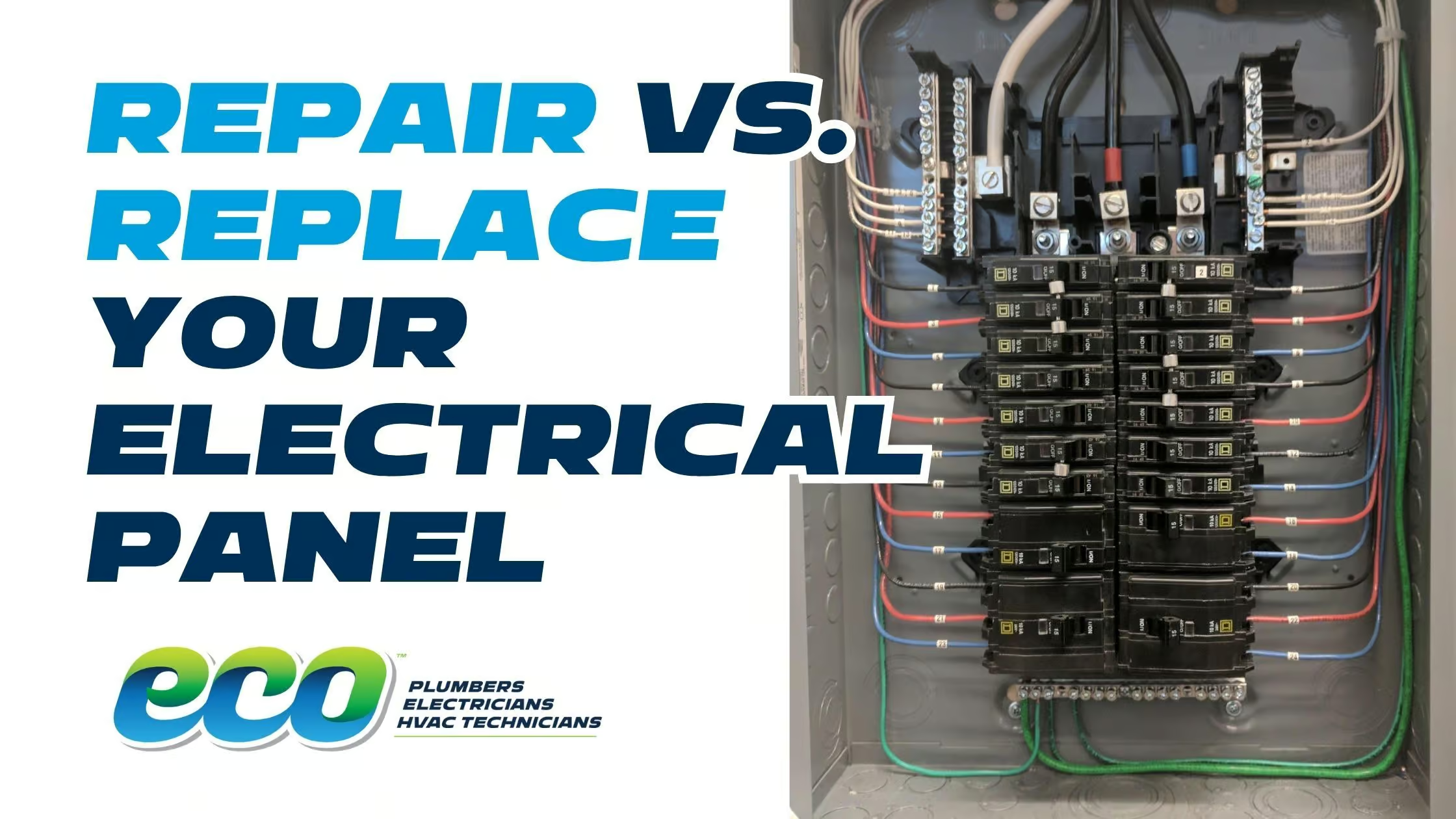
Electrical panel repair involves fixing specific components of your existing panel without replacing the entire unit. This approach focuses on resolving isolated issues rather than overhauling the entire system. Common repairs include replacing faulty breakers, fixing loose or damaged wiring, addressing minor corrosion, and resolving connection issues that may be causing inconsistent power or tripped circuits.
For example, if a single breaker keeps tripping or a connection has loosened over time, a targeted repair can often solve the problem quickly and affordably. In many cases, these types of fixes can restore safe and reliable function without the need for a full panel replacement, especially if the rest of the panel is still in good condition.
When Is Panel Repair a Good Option?
Repair is typically the right choice when your electrical panel is still relatively modern, up to code, and functioning well overall, but has developed a small, isolated issue.
In these situations, there are no major safety concerns present, and the panel is still capable of meeting your home’s current electrical demand. As long as the system is structurally sound and not showing signs of widespread wear or risk, a targeted repair can be both effective and efficient.
If the problem is limited in scope and your panel is otherwise in good condition, repair is often the most cost-effective and practical solution, allowing you to resolve the issue without the higher investment of a full replacement.
What Is Electrical Panel Replacement?
Electrical panel replacement involves removing your existing panel and installing a completely new system in its place. Unlike a simple repair, this approach addresses the entire electrical distribution system in your home, rather than focusing on one isolated issue.
The process typically includes installing a new breaker panel, updating wiring connections, increasing electrical capacity if needed, and bringing the entire system up to current electrical code. In many cases, this also allows your home to better support modern electrical demands, such as EV chargers, updated HVAC systems, or additional appliances.
Because of this, panel replacement is often more than just fixing a problem. It is a full upgrade that improves safety, reliability, and overall performance, especially if your existing panel is outdated, overloaded, or showing signs of wear.
When Is Panel Replacement Necessary?
Panel replacement is typically recommended when your electrical panel is outdated, no longer functioning reliably, or poses potential safety risks. For example, older panels such as Federal Pacific or Zinsco are widely known to have design flaws that can prevent breakers from tripping properly, increasing the risk of electrical fires.
Replacement is also the better option if you are experiencing frequent breaker trips, overheating, or visible signs of damage like burning or corrosion. These are often indicators of deeper, system-wide issues that cannot be safely resolved with a simple repair.
In addition, if your home requires more power for things like additions, EV chargers, or modern appliances, your existing panel may no longer be able to keep up. Similarly, if your panel is not up to current electrical code, replacement may be necessary to ensure safety and compliance.
If safety, reliability, or electrical capacity is a concern, panel replacement is usually the smarter long-term investment, helping you avoid ongoing issues while bringing your system up to modern standards.
5 Key Differences of Electrical Panel Repair vs. Replacement
1. Cost
Panel repair is significantly less expensive upfront, but may not always be the most cost-effective long term.
Minor repairs, such as replacing a breaker or fixing a connection, typically cost a few hundred dollars. In contrast, a full panel replacement often ranges from $3,500 to $6,500 or more, depending on the size of the system and complexity of the installation.
However, it is important to consider the bigger picture. If issues continue to occur, repeated repairs can quickly add up, sometimes making replacement the more economical choice over time.
2. Safety
Safety is the most important factor when deciding between repair and replacement.
Replacement is often the safer option when dealing with outdated or defective panels. Federal Pacific panels have a known history of fire risk, while Zinsco panels can fail to trip breakers properly, allowing circuits to overheat.
If your panel has known safety risks or signs of damage, repair is not enough, and replacement is strongly recommended.
3. Longevity
Repairs are typically short- to mid-term solutions, while replacement provides long-term reliability.
A repair addresses the immediate issue, such as a faulty breaker, but does not resolve the overall aging of the panel. As a result, additional problems may arise over time.
In contrast, a new panel can last 20 to 40 years and significantly reduces the likelihood of recurring issues.
4. Electrical Capacity
Modern homes require more power, and repair does not increase your panel’s capacity.
If your current panel is already at its limit, repairing it will not allow you to safely add new appliances or systems. Replacement, however, gives you the opportunity to upgrade, often from 100-amp to 200-amp service.
This added capacity supports features like EV chargers, updated HVAC systems, and other high-demand electrical needs.
5. Code Compliance
Older panels may not meet current electrical codes, which can impact both safety and insurance.
Repairing an outdated panel may fix a specific issue, but it does not necessarily bring the system up to modern standards. Replacement ensures your electrical panel meets current code requirements, helping protect your home and avoid potential issues during inspections or insurance reviews.
Pros and Cons of Electrical Panel Repair vs. Panel Replacement
When deciding between panel repair and panel replacement, it helps to look at both options side by side. Each has its advantages and trade-offs, and the right choice depends on your panel’s condition, your home’s needs, and your long-term goals.
| Factor | Panel Repair | Panel Replacement |
| Cost | Lower upfront cost | Higher upfront cost |
| Time to complete | Typically faster | May take longer depending on the scope |
| Level of involvement | Less invasive | More extensive installation process |
| Safety | May not address underlying risks | Improves overall safety |
| Capacity | Does not increase capacity | Allows for capacity upgrades |
| Longevity | Short-to-mid term solution | Long-term solution (20-40 years) |
| Code compliance | May not meet current standards | Bring the system up to code |
| Permits/Inspections | Usually not required | Often required |
Panel repair is best suited for minor, isolated issues where the system is still in good condition. It offers a quicker and more affordable fix but may not address deeper or long-term concerns.
Panel replacement, on the other hand, is a larger investment that delivers improved safety, increased capacity, and long-term reliability. While it requires more time and upfront cost, it is often the better choice when dealing with aging, outdated, or overloaded panels.
How to Decide: Repair or Replace Your Electrical Panel?
If you are unsure whether to repair or replace your electrical panel, the best way to decide is by evaluating a few key factors. The table below breaks down the most important considerations to help you quickly determine which option makes the most sense for your situation.
| Factor | You Should Repair | You Should Replace |
| Age of Panel | Your panel is under 20 years old and still in good condition | Your panel is 25 to 40+ years old |
| Type of Panel | Modern, safe, and not known for defects | Federal Pacific (FPE), Zinsco, or potentially Pushmatic |
| Frequency of Issues | One-time or isolated issue | Recurring problems or multiple failures |
| Future Electrical Needs | No major changes planned | Adding appliances, an EV charger, or a home addition |
| Safety Concerns | No visible or noticeable risks | Burning smells, warm panel, or visible damage |
If your panel is newer and the issue is isolated, repair is often the most practical and cost-effective option. However, if your panel is aging, showing signs of risk, or no longer meeting your home’s needs, replacement is usually the safer and smarter long-term decision.
Making the Right Choice for Your Electrical Panel
At this point, you should have a clear understanding of when electrical panel repair makes sense and when replacement is the better option. In simple terms, repairs are best for small, isolated issues, while replacement is the right move for aging, unsafe, or overloaded panels.
If you started this article feeling unsure, you are not alone. Many homeowners face the same confusion, especially when dealing with conflicting advice, unexpected costs, and concerns about safety.
Now, you are in a better position to evaluate your situation based on what actually matters: the condition of your panel, the level of risk, and your home’s future electrical needs.
Your next step is to have a licensed electrician assess your panel and walk you through both repair and replacement options. This will give you the clarity you need to make a confident, informed decision.
At the end of the day, our goal at Eco Plumbers, Electricians, and HVAC Technicians is to help you make the safest and most practical choice for your home. If you’re located in Columbus, Dayton, Cincinnati, or Chillicothe, OH, and are interested in booking your service with us, feel free to read our guide: Eco Electrical Reviews: What to Expect Before Hiring Us.
FAQs
Will my insurance cover electrical panel repair or replacement?
In most cases, homeowners' insurance will not cover panel repair or replacement due to normal wear and tear or outdated equipment. However, if your panel is damaged due to a covered event, like a fire or storm, your policy may help cover the cost. It is always best to check with your insurance provider to understand what is and is not included.
How long does an electrical panel replacement take?
Most electrical panel replacements can be completed in one day, typically within 4 to 8 hours. However, the exact timeline depends on the complexity of the job, whether upgrades are involved, and whether permits or inspections are required. Your electrician should provide a clear timeline before starting the work.
Can I upgrade my electrical panel without replacing it?
In most cases, increasing your panel’s capacity requires a full replacement rather than a simple upgrade. While minor improvements can be made through repairs, a true capacity upgrade, such as going from 100 amps to 200 amps, typically involves installing a new panel to safely handle the increased load.