


What's Ahead
If your sump pump alarm keeps sounding, understanding the cause is the first step to protecting your home from water damage. In this guide, you'll learn why sump pump alarms go off, how to safely reset them, and when it's time to call a professional for help.
If your sump pump alarm won’t stop, it’s more than just an annoyance. It’s a warning that something in your system isn’t working properly, and if ignored, it could lead to serious water damage in your basement.
You’re likely asking yourself: Is this an emergency? Can I fix it on my own? Or is it time to call a professional?
After helping homeowners troubleshoot sump pump issues for years at Eco Plumbers, Electricians, and HVAC Technicians, we’ve seen everything from minor float switch problems to complete system failures. In many cases, the alarm can be safely reset, but only if you understand what’s causing it in the first place.
What Does a Sump Pump Alarm Mean?
A sump pump alarm is designed to alert you when water levels are too high or when the pump is not functioning properly.
In most systems, the alarm is triggered by a float switch that activates when water rises above a safe level in your sump pit. This means the alarm is reacting to a condition, not causing it.
Common reasons your sump pump alarm is going off include:
- Power failure or a disconnected pump
- Pump failure or internal mechanical issues
- A stuck or malfunctioning float switch
- A clogged or frozen discharge line
- Heavy rainfall is overwhelming the system
The key takeaway: The alarm itself is not the problem. It is a warning sign that something else in your system needs immediate attention.
Should You Reset the Alarm Right Away?
Before you rush to silence the noise, take a moment to assess what’s actually happening.
Ask yourself if there is visible water in your basement, whether the sump pump is actively running, and if there has been recent heavy rainfall. These quick checks help you determine whether the alarm is signaling a temporary issue or something more serious.
You should only reset the alarm after identifying the cause.
Resetting it without fixing the issue is like removing the batteries from a smoke detector. It may stop the noise, but it does nothing to eliminate the risk.
How to Reset a Sump Pump Alarm Safely
If you’ve checked the situation and it appears safe, you can move forward with resetting your sump pump alarm. Follow these steps carefully to avoid overlooking a larger issue.
1. Locate the Alarm Panel or Unit
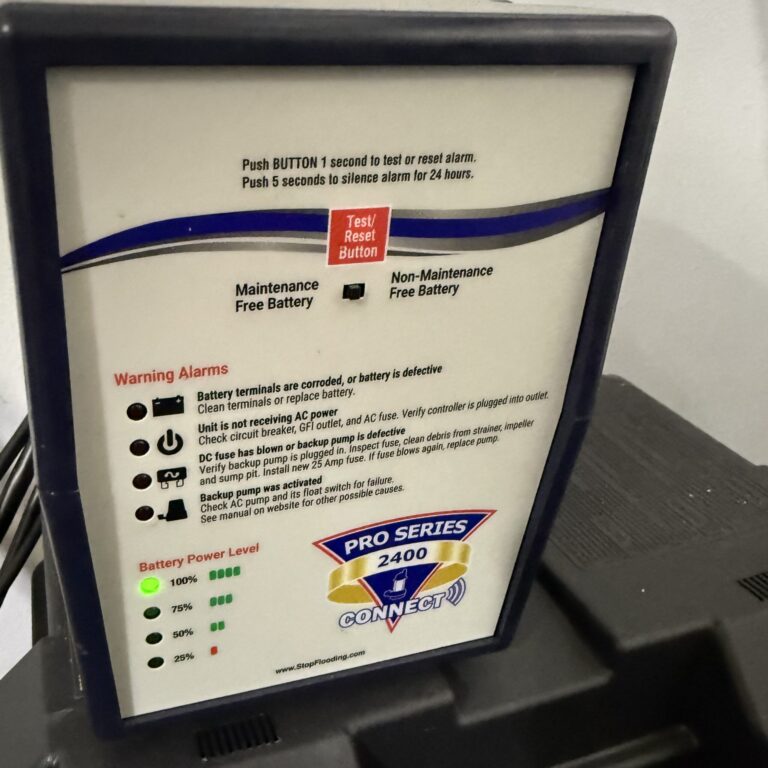
Start by finding where your alarm is installed. Most sump pump alarms are mounted near the sump pit, connected to a wall outlet, or integrated into a battery backup system. Once you locate it, look for a button labeled “Reset,” “Silence,” or “Test.”
2. Check the Power Supply
A loss of power is one of the most common reasons a sump pump alarm goes off.
Make sure the pump is plugged in, check if a circuit breaker has tripped, and confirm the GFCI outlet is reset. If power is the issue and has been restored, the alarm may stop on its own or require a manual reset.
3. Inspect the Water Level in the Pit
Carefully remove the sump pit cover if possible and check the water level. If the water appears unusually high or the pump is running without draining properly, the issue is still active.
If water levels remain high, do not reset the alarm yet. This indicates the system has not resolved the problem.
4. Check the Float Switch
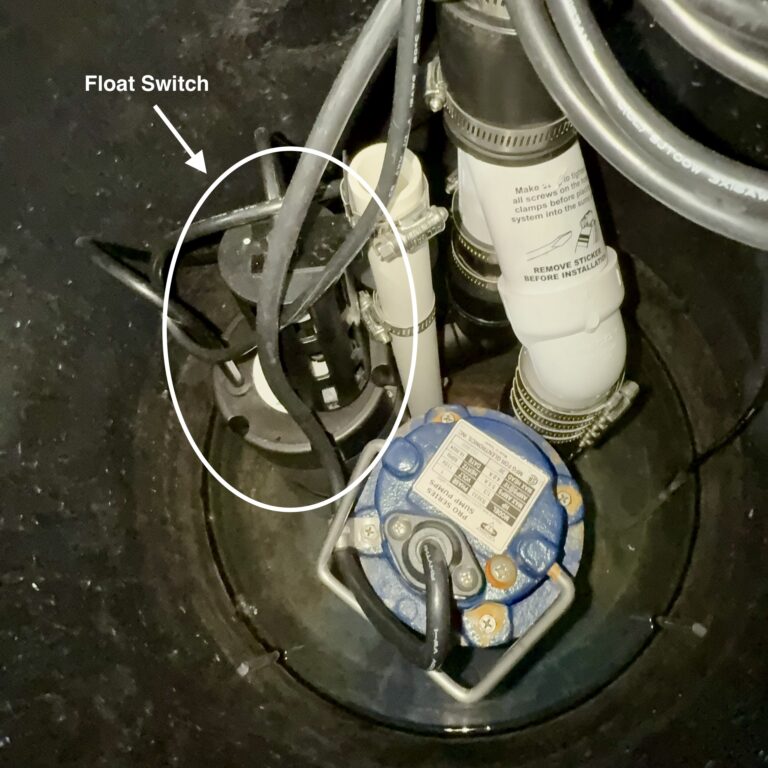
The float switch is responsible for triggering both the pump and the alarm. If it becomes stuck or blocked, it can cause false alarms or prevent the pump from activating. Check to see if it is pressed against the side of the pit or obstructed by debris, and gently reposition it so it can move freely.
5. Press the Reset Button
Once you’ve confirmed that power is restored, water levels are under control, and there are no visible issues, you can reset the alarm. Press the reset or silence button on the unit.
If the underlying issue has been resolved, the alarm should stop immediately.
6. Monitor the System
Resetting the alarm is not the final step. It is important to monitor your system afterward to ensure the problem does not return. Over the next few hours, pay attention to whether the alarm sounds again, how frequently the pump cycles, and whether you hear any unusual noises.
If the alarm comes back, it is a sign that there is still an unresolved issue.
When You Should NOT Reset the Alarm
There are certain situations where resetting your sump pump alarm could actually put your home at greater risk.
Do not reset the alarm if:
- Water is actively rising in your basement
- The pump is not turning on at all
- You hear grinding or unusual mechanical noises
- The discharge pipe is frozen or blocked
- The alarm keeps triggering repeatedly
In these cases, the alarm is doing exactly what it’s supposed to do: warning you of a serious problem that needs immediate attention.
Common Problems Behind a Constant Alarm
To truly fix the issue, you need to understand what’s causing the alarm in the first place. Below are the most common problems and what you can do about them.
Stuck or Faulty Float Switch
A stuck float switch can trigger the alarm even when water levels are normal.
If the float cannot move freely, it may signal a false high-water condition or prevent the pump from activating.
Solution
- Clean out any debris in the sump pit
- Make sure the float moves freely without obstruction
- Replace the switch if it appears worn or unresponsive
Pump Failure
When the pump itself fails, water cannot be removed from the pit, causing levels to rise and trigger the alarm.
Signs to look for:
- The pump hums but does not move water
- The pump makes no sound at all when it should be running
Clogged Discharge Line
Your sump pump relies on a discharge line to carry water away from your home. If this line is blocked, water will back up into the pit.
What happens when it’s clogged:
- Water cannot exit the system
- The sump pit begins to fill
- The alarm continues to sound
Common causes include:
- Dirt, debris, or sediment buildup
- Ice forming in the pipe during winter
- Improper pipe slope restricting flow
Power Issues
Even a brief power interruption can trigger your sump pump alarm. Without power, the pump cannot operate, which allows water levels to rise.
Consider the following solutions:
- Install a battery backup system to keep the pump running during outages
- Use a high-water alarm with backup power for added protection
System Overload
During periods of heavy rain, your sump pump may struggle to keep up with the volume of incoming water.
This does not always mean your pump is broken. In many cases, it simply means your current system is undersized for your home’s needs.
How to Prevent Future Sump Pump Alarm Issues
The best way to deal with sump pump alarms is to prevent them from happening in the first place. Regular maintenance not only reduces false alarms but also ensures your system works when you need it most.
Regular Maintenance Checklist
- Test your pump every 3 to 4 months
- Clean the sump pit at least once a year
- Inspect the float switch to ensure it moves freely
- Check the discharge line for clogs or freezing
- Install a backup power source to protect against outages
Pro tip: Pour a bucket of water into the sump pit to simulate operation and confirm the pump activates and drains properly.
Do You Need a Professional?
In some situations, calling a professional is the right move, especially if the issue isn’t clearly resolved. If your sump pump alarm keeps coming back after you reset it, if the pump doesn’t seem to be working properly, or if you’re not sure what’s causing the problem, it’s best to have an expert take a closer look. The same applies if you’re considering upgrading to a more reliable system.
A qualified technician can identify the root cause, replace failing components, and recommend upgrades that better protect your home from water damage.
What to Do Next When Your Sump Pump Alarm Won’t Stop
At the end of the day, a sump pump alarm that won’t stop is your system’s way of telling you something isn’t right. Whether it’s a simple power issue, a stuck float switch, or a more serious mechanical problem, you now know how to safely assess the situation and reset the alarm when appropriate.
If you’ve dealt with that constant beeping, you know how stressful it can feel, especially when you’re unsure if water damage is right around the corner. Ignoring the alarm or resetting it without addressing the cause can turn a small issue into a much bigger and more expensive problem.
Now that you understand how to respond, your next step is to make sure your system is reliable long-term. That often starts with knowing what to expect if repairs or replacement are needed.
To get a clear idea of your options and budget, read our guide on how much a sump pump costs so you can plan ahead and avoid surprises.
At Eco Plumbers, Electricians, and HVAC Technicians, we help homeowners not only fix urgent sump pump issues but also choose and maintain systems that protect their homes for years to come.
FAQs
How do I know if my sump pump alarm is a false alarm or a real emergency?
Sometimes a sump pump alarm is triggered by something simple, like a stuck float switch or a brief power interruption, but other times it’s warning you about rising water that could flood your basement. The best way to tell is to check the sump pit water level, confirm the pump is running properly, and look for signs of backup or overflow before resetting the system.
Can a sump pump alarm go off even if the pump is still working?
Yes. A sump pump alarm can still sound even when the pump is operating if the system is struggling to keep up with heavy rainfall, the discharge line is partially clogged, or the float switch is malfunctioning. In these situations, the alarm is warning you that the system may still be under stress even though the pump hasn’t completely failed.
How often should a sump pump system be professionally inspected?
Most homeowners should have their sump pump inspected once a year, ideally before heavy rain seasons begin. Professional maintenance can help catch worn float switches, clogged discharge lines, battery backup issues, and early pump failure before they lead to basement flooding or repeated alarm problems.