

What's Ahead
If you’ve started shopping for a new air conditioning system, there’s a good chance you’ve experienced some sticker shock. Maybe you expected to spend a few thousand dollars, only to receive a quote that was twice as high as you anticipated.
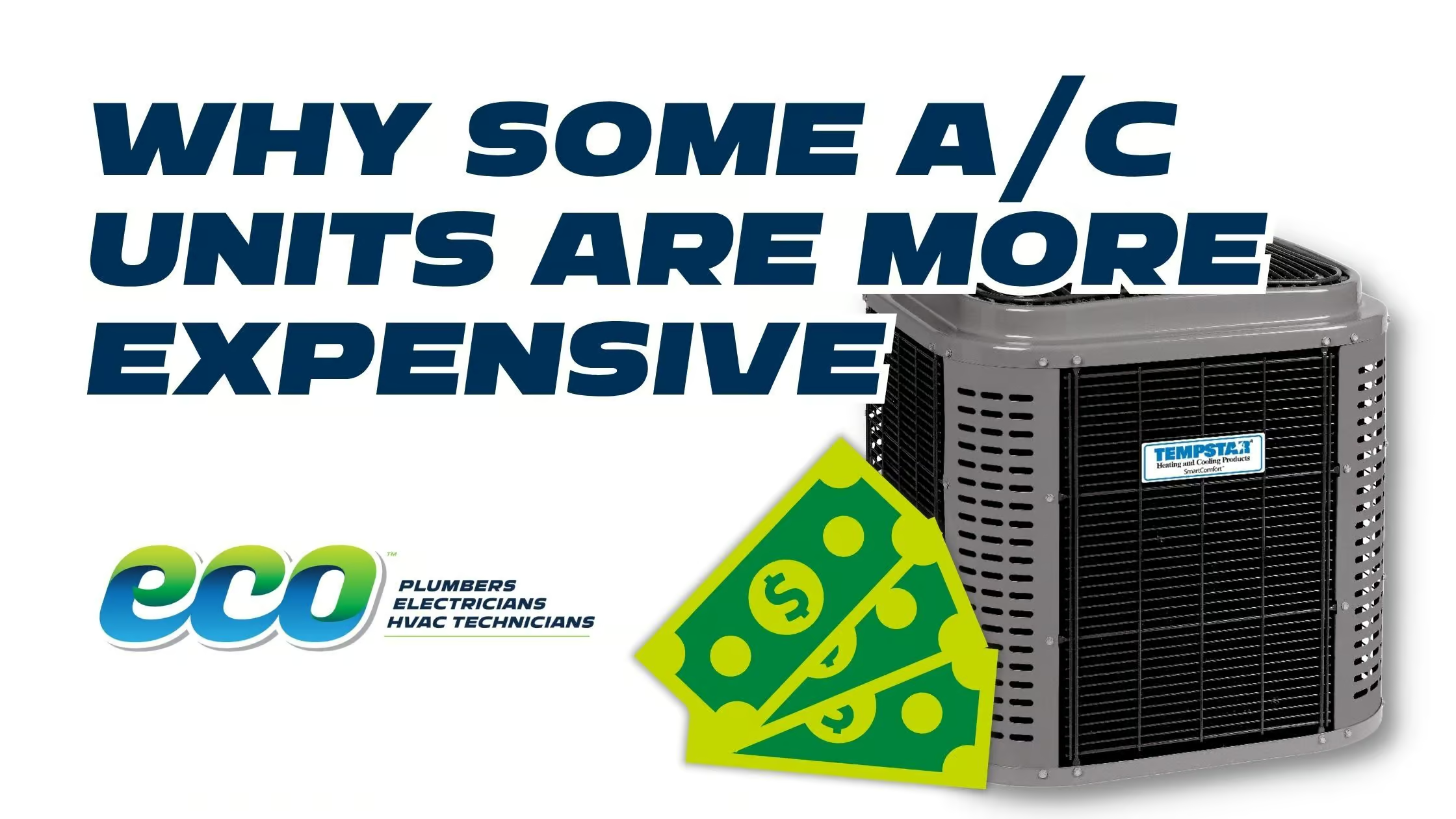
It can be even more frustrating when two A/C systems look nearly identical at first glance, yet one costs significantly more than the other. So what exactly are you paying for?
The reality is that not all air conditioning systems are built the same. The total cost of an A/C system can vary based on factors like energy efficiency, system size, technology, installation requirements, warranty coverage, and even the experience level of the company installing it.
At Eco Plumbers, Electricians, and HVAC Technicians, we’ve helped homeowners compare air conditioning systems for years. One of the most common questions we hear is, “Why are some A/C systems so expensive?”
In this article, we’ll break down the biggest factors that impact A/C pricing, explain why some systems cost far more than others, and help you determine whether investing in a higher-priced system is actually worth it for your home.
The Average Cost of an A/C System
Before diving into why A/C prices vary so dramatically, it helps to understand the general investment range most homeowners can expect.
In most cases, a new central air conditioning system costs between $5,000 and $15,000 or more, depending on several key factors, including:
- The size of your home
- The efficiency rating of the system
- Installation complexity
- Ductwork repairs or modifications
- Smart technology and upgraded features
- Brand reputation and warranty coverage
For homeowners choosing premium systems with advanced features like zoning, variable-speed technology, or full ductwork replacement, costs can sometimes exceed $20,000.
At first glance, those price differences can seem difficult to justify. After all, many systems appear similar from the outside. But behind the scenes, major differences in performance, efficiency, comfort, and installation requirements can significantly impact the final cost.
So, what actually makes one A/C system far more expensive than another? Let’s take a closer look.
Higher Efficiency Ratings Increase A/C System Costs
One of the biggest factors that affects the price of an A/C system is energy efficiency.
Air conditioners are rated using a measurement called SEER2 (Seasonal Energy Efficiency Ratio 2). In simple terms, the higher the SEER2 rating, the more efficiently the system cools your home while using less electricity.
Why High-Efficiency A/C Systems Cost More
Higher-efficiency A/C systems are built with more advanced technology, such as variable-speed compressors, improved coil designs, smarter controls, and enhanced refrigerant management systems.
These upgraded components are more expensive to manufacture, which increases the overall cost of the unit. However, they also help reduce energy consumption over time, which can lead to lower monthly utility bills and improved long-term efficiency.
Variable-Speed Technology Raises the Price
Not all air conditioning systems operate the same way, and the type of technology inside the unit can have a major impact on price.
Many older or entry-level A/C systems operate using a simple single-stage design. That means the system only has two settings: fully on or completely off.
When the temperature in your home rises above the thermostat setting, the system kicks on at full power until the desired temperature is reached, then it shuts off entirely.
More advanced systems use variable-speed compressors, which can automatically adjust cooling output based on your home’s exact needs throughout the day.
Benefits of Variable-Speed A/C Systems
Instead of constantly cycling on and off, variable-speed systems run at lower speeds for longer periods of time. This allows them to deliver:
- More consistent indoor temperatures
- Better humidity control
- Improved overall comfort
- Quieter operation
- Greater energy efficiency
Because the system can make smaller adjustments throughout the day, your home often feels more comfortable and balanced overall.
The Size of Your Home Impacts System Cost
The size of your home plays a major role in the cost of your A/C system. Larger homes require systems with greater cooling capacity, which means larger compressors, coils, refrigerant lines, and airflow components. As the size and capacity of the system increase, both equipment and installation costs typically increase as well.
However, choosing the biggest system possible is not always the right solution. An oversized A/C unit can short-cycle, waste energy, create uneven temperatures, and struggle to properly control humidity levels in your home. That’s why reputable HVAC contractors perform detailed load calculations before recommending a system size. Proper sizing helps ensure your air conditioner runs efficiently, keeps your home comfortable, and lasts as long as possible.
Installation Complexity and Advanced Features Can Increase A/C Costs
The price of an A/C system is not just about the equipment itself. Installation requirements and added technology can also have a major impact on the final cost.
Even the best air conditioner can struggle to perform properly if it’s installed incorrectly or paired with outdated components. At the same time, many modern systems now include advanced features designed to improve comfort, convenience, and efficiency.
Here’s a closer look at some of the biggest factors that can raise the price of an A/C installation:
Cost Factor | Why It Increases the Price |
Ductwork repairs or replacement | Older or damaged ductwork may need modifications to support proper airflow and efficiency |
Electrical upgrades | Some homes require updated electrical components to safely support a new system |
Refrigerant line replacement | Worn or incompatible refrigerant lines may need to be replaced during installation |
Difficult system access | Tight attics, crawl spaces, or complex layouts can increase labor time and installation difficulty |
Zoning systems | Adding zoning allows for customized temperatures in different areas of the home, but it requires additional equipment and controls |
Smart technology | Features like wi-fi controls, smart thermostats, remote diagnostics, and mobile app integration add convenience but also increase system costs |
Indoor air quality upgrades | Advanced filtration, humidity control, and air purification systems can raise the total investment |
Permits and code requirements | Local permits and required upgrades to meet building codes can add to installation expenses |
Older homes often require additional modifications before a new A/C system can be installed properly, which can significantly increase overall project costs.
It’s also important to remember that extremely low installation prices can sometimes lead to bigger problems later. Some contractors cut corners by skipping load calculations, reusing failing components, ignoring airflow issues, or using inexperienced labor.
At the same time, not every homeowner needs every advanced feature available. Some people prioritize lower upfront costs and simpler systems, while others value smart technology, automation, and enhanced comfort controls. The right choice ultimately depends on your home, your budget, and your long-term goals.
Better Warranties Often Mean Higher Prices
Warranty coverage can have a major impact on the overall cost of an A/C system. Premium manufacturers often include longer compressor warranties, extended parts coverage, labor protection, and even full unit replacement guarantees with certain systems.
Because an air conditioner is a long-term investment, stronger warranty coverage can provide valuable peace of mind and help reduce unexpected repair costs in the future. In many cases, a higher upfront price reflects the manufacturer’s confidence in the quality and reliability of the system.
Refrigerant Changes Have Increased Costs
Recent refrigerant regulations have also contributed to rising A/C system costs. Manufacturers are transitioning to newer refrigerants that are designed to reduce environmental impact, improve energy efficiency, and comply with updated federal regulations.
While these newer refrigerants offer long-term environmental and performance benefits, the transition has required manufacturers to redesign many modern air conditioning systems. That process increases manufacturing costs, research and development expenses, and technician training requirements across the industry.
As a result, these industry-wide changes have become one of the major reasons A/C system prices have steadily increased over the past several years.
Labor Shortages and Supply Chain Issues Affect Pricing
Like many industries, the HVAC industry has also faced rising costs over the past several years. Skilled labor shortages, higher material prices, supply chain disruptions, and increased transportation expenses have all contributed to more expensive A/C systems and installations.
These challenges affect nearly every stage of the process, from manufacturing equipment and shipping materials to installation labor and replacement part availability. As a result, economic pressures across the industry have continued to drive A/C prices upward.
Is the Most Expensive A/C System Always the Best Choice?
Not necessarily.
The right A/C system depends on your budget, home size, comfort goals, and long-term plans. For some homeowners, a basic system is enough, while others may benefit from features like variable-speed technology, higher efficiency, or zoning.
Before choosing a system, consider:
- How efficient does it need to be?
- Which features will you actually use?
- Is your ductwork in good condition?
- What warranty coverage is included?
The cheapest option is rarely the best long-term value, but the most expensive system is not always necessary either.
Understanding A/C Costs Helps You Make a Smarter Investment
Shopping for a new A/C system can feel overwhelming, especially when prices vary so dramatically from one quote to another. Between efficiency ratings, installation requirements, system sizing, advanced technology, and warranty coverage, there are many factors that influence the total cost of a new air conditioning system.
Now that you understand what drives those price differences, you’re in a much better position to choose a system that fits your home, comfort goals, and budget. The right A/C system is not always the cheapest or the most expensive option. It’s the one that delivers the best long-term value for your specific needs.
If you’re wondering what a new air conditioning system might realistically cost for your home, your next step is to use our A/C system estimator. It can help you better understand pricing based on your home size, preferences, and installation needs before moving forward. And if you’re interested in financing, learn more about our options and what your monthly payment could look like.
At Eco Plumbers, Electricians, and HVAC Technicians, we help homeowners make informed decisions about their comfort systems every day. Whether you’re replacing an older unit or exploring high-efficiency options, our team is here to help you find the right solution with honest guidance and transparent pricing.
FAQs
How long should a new A/C system last?
Most modern central air conditioning systems last between 12 and 20 years, depending on the quality of the equipment, how well it’s maintained, and whether it was installed properly. Regular maintenance and proper sizing can significantly extend the lifespan of your system.
Does a more expensive A/C system require less maintenance?
Not necessarily. Even high-end A/C systems still require regular maintenance to operate efficiently and avoid breakdowns. However, premium systems may experience fewer major issues over time because they often use higher-quality components and advanced technology.
Can I replace just my outdoor A/C unit instead of the entire system?
In some cases, yes, but it’s not always recommended. If your indoor and outdoor components are mismatched in age, efficiency, or refrigerant type, replacing only one part of the system can reduce performance and efficiency. A professional inspection can help determine whether a partial or full replacement makes the most sense.