

What's Ahead
A water heater that suddenly stops producing hot water. A toilet that won’t stop running. A new appliance is sitting in your kitchen waiting to be connected. Plumbing problems and projects rarely happen at a convenient time, and when they do, they can quickly become frustrating, disruptive, and expensive.
If you’re like many Dayton homeowners, you’ve probably wondered whether the plumbing issue you’re experiencing is common, what caused it, and whether it’s something you can handle yourself or if it’s time to call a plumber.
At Eco Plumbers, Electricians, and HVAC Technicians, we’ve helped homeowners throughout Southwest Ohio solve plumbing problems for years. By analyzing local service data from May 2025 through May 2026, we identified the plumbing issues Dayton residents faced most often. The results provide valuable insight into the plumbing challenges homeowners encounter every day.
The three most common plumbing calls in Dayton during that period were:
- Water Heaters Older Than 6 Years
- Miscellaneous Services (appliance hookups, instant hot water dispensers, vanity installations, water line installations, and similar services)
- Toilet Repairs Unrelated to Clogs
In this article, you’ll learn what causes these plumbing calls, the warning signs to watch for, and what you can do to prevent small plumbing issues from becoming costly repairs.
The Three Most Common Plumbing Calls in Dayton
Based on our service data from May 2025 through May 2026, three plumbing categories stood out as the most common reasons Dayton homeowners contacted a plumber.
Plumbing Issue | Calls Run |
Water Heaters Older Than 6 Years | 679 |
Miscellaneous Services | 660 |
Toilets (Not Clogged) | 593 |
What do these numbers tell us? Many homeowners aren’t just dealing with emergency plumbing issues. They’re also addressing aging equipment, upgrading fixtures, and making improvements that require professional installation. Understanding why these calls are so common can help you better maintain your home’s plumbing system and avoid unexpected problems.
Let’s take a closer look at each of these common plumbing calls and what Dayton homeowners should know about them.
#1 Water Heaters Over 6 Years Old
Water heaters that were six years old or older accounted for 679 service calls from May 2025 through May 2026, making them the most common plumbing-related issue Dayton homeowners contacted us about.
While many water heaters can last 8-12 years or longer with proper maintenance, problems often begin to appear once a unit reaches the six-year mark.
Why Do Older Water Heaters Need Service?
Over time, water heaters experience wear and tear that can affect performance, efficiency, and reliability.
Common Water Heater Problems
- Sediment buildup inside the tank
- Corrosion of internal components
- Heating element failures
- Thermostat malfunctions
- Water leaks
- Reduced hot water capacity
- Rust-colored water
As sediment accumulates at the bottom of the tank, the system must work harder to heat water, increasing energy consumption and putting additional strain on components.
Warning Signs Your Water Heater Needs Attention
You may need professional service if you notice inconsistent hot water, strange noises coming from the tank, rusty water, leaks around the unit, rising utility bills, or a decrease in available hot water.
Addressing water heater issues early can help extend the life of the system and prevent an unexpected loss of hot water.
Can You Fix Water Heater Problems Yourself?
Some minor issues, such as adjusting temperature settings, may be handled by homeowners. However, diagnosing leaks, replacing components, or determining whether repair or replacement makes more sense typically requires professional expertise.
#2 Miscellaneous Services (Appliance Hookups, Vanity Installs, and More)
The second most common plumbing category in Dayton involved miscellaneous plumbing services, accounting for 660 service calls during the reporting period.
These calls include projects such as:
- Installing instant hot water dispensers
- Hooking up appliances
- Vanity installations
- Running new water lines
- Plumbing modifications for remodels
- Connecting refrigerators with water dispensers
- Utility sink installations
Why Are These Services So Common?
Many homeowners are upgrading kitchens, bathrooms, laundry rooms, and other areas of the home. While these projects may seem straightforward, proper installation is critical to avoid leaks, water damage, and performance issues.
Common Reasons Homeowners Call a Plumber
A professional plumber helps ensure:
- Water lines are installed correctly
- Fixtures meet local code requirements
- Appliances are connected properly
- Leak risks are minimized
- Water pressure remains balanced
Warning Signs You Need Professional Installation
If a project requires modifying plumbing lines, installing new fixtures, or connecting water-using appliances, professional installation can help prevent costly mistakes.
A properly installed plumbing fixture can provide years of reliable performance, while improper installation may lead to leaks and expensive repairs.
Can You Complete These Projects Yourself?
Some homeowners successfully complete simple fixture replacements. However, projects involving new water lines, plumbing modifications, or appliance hookups often benefit from professional installation to ensure everything functions safely and correctly.
#3 Toilet Repairs (Not Clogged)
Toilet repairs unrelated to clogs were the third most common plumbing service Dayton homeowners needed from May 2025 through May 2026, accounting for 593 service calls.
While clogged toilets often get the most attention, many toilet problems occur because internal components wear out over time.
Why Do Toilets Stop Working Properly?
Most non-clog toilet issues involve parts inside the tank that control water flow during and after a flush.
Common Causes of Toilet Repairs
- Running toilets
- Constant refilling
- Weak flushing
- Water is leaking into the bowl
- Leaks around the base
- Broken handles
- Faulty fill valves
- Worn flappers
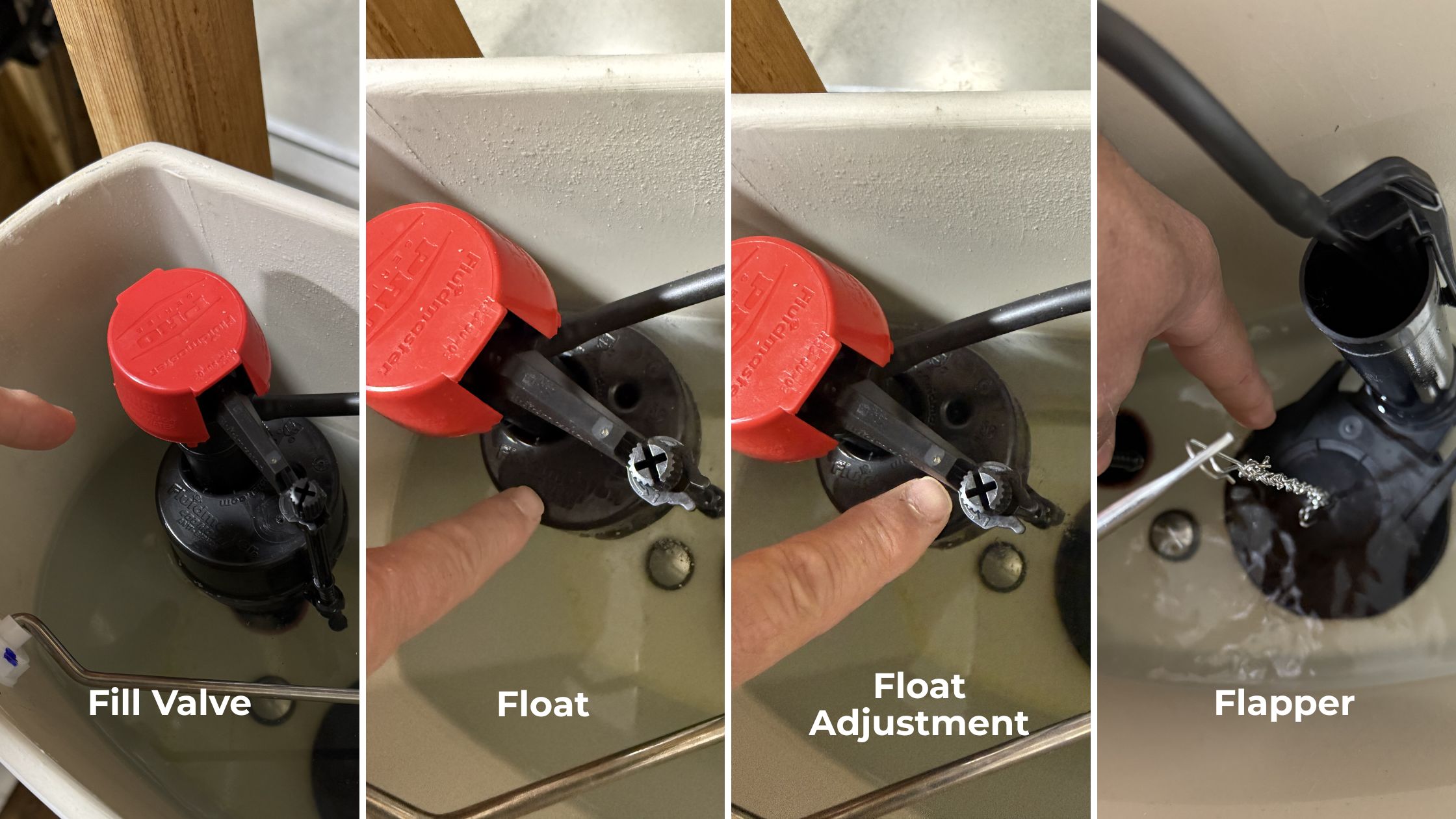
A running toilet is one of the most common issues homeowners experience. In many cases, a worn flapper, a faulty fill valve, or an improperly adjusted float allows water to continuously flow through the tank.
Warning Signs of a Toilet Problem
A toilet may need repair if it runs constantly, cycles on and off when not in use, flushes weakly, leaks around the base, or makes unusual noises after flushing.
Addressing these issues early can help prevent water waste, higher utility bills, and potential water damage.
Can You Fix a Toilet Problem Yourself?
Simple repairs such as replacing a flapper, handle, or fill valve can often be completed by homeowners. However, if the issue persists or you’re unsure of the cause, a professional plumber can diagnose the problem and recommend the best solution.
Why These Plumbing Problems Are So Common in Dayton
Several local factors contribute to these plumbing calls throughout the Dayton area.
Aging Housing Market
Many Dayton-area homes were built decades ago. As plumbing systems age, water heaters, fixtures, and plumbing connections naturally experience wear and tear that eventually requires repair or replacement.
Hard Water Conditions
Like much of Ohio, many Dayton homeowners deal with hard water. Mineral deposits can accumulate inside water heaters, fixtures, and pipes, reducing efficiency and accelerating wear. Montgomery County and the City of Dayton are working towards replacing lead water lines and recommending homeowners replace theirs as well!
Home Improvement Projects
Many homeowners are investing in remodeling projects and home upgrades. New appliances, vanity installations, and plumbing modifications often require professional installation to ensure proper operation.
Seasonal Temperature Changes
Ohio’s freeze-thaw cycles can place stress on plumbing systems and contribute to wear over time, particularly in older homes.
How Homeowners Can Reduce Plumbing Problems
While not every plumbing issue can be avoided, a few simple habits can help reduce the likelihood of unexpected breakdowns, water damage, and costly repairs. Taking a proactive approach to plumbing maintenance can also help extend the lifespan of your fixtures, appliances, and plumbing equipment.
Maintain Your Water Heater
Water heaters often work behind the scenes until something goes wrong. Regular maintenance, including flushing the tank to remove sediment buildup and scheduling periodic inspections, can improve efficiency and help identify minor issues before they lead to major repairs or replacement. If your water heater is more than six years old, routine maintenance becomes even more important.
Address Small Toilet Issues Early
A toilet that runs continuously, refills unexpectedly, or flushes weakly may not seem like an emergency, but these problems can waste thousands of gallons of water each year and increase your utility bills. Replacing worn components early can often prevent more extensive repairs and help your toilet operate efficiently.
Invest in Professional Installations
Whether you’re installing a dishwasher, replacing a bathroom vanity, adding an instant hot water dispenser, or running a new water line, proper installation matters. Professional installation helps ensure plumbing connections are secure, fixtures are operating correctly, and potential leak points are identified before they become a problem.
Schedule Routine Plumbing Inspections
Many plumbing issues begin long before homeowners notice symptoms. Regular plumbing inspections can uncover hidden leaks, aging equipment, water pressure concerns, and developing plumbing problems before they turn into expensive emergencies. Preventative maintenance often costs significantly less than repairing water damage or replacing failed plumbing systems.
The best way to avoid major plumbing repairs is to catch small problems before they have a chance to grow into larger ones.
What These Common Plumbing Calls Mean for Dayton Homeowners
Plumbing problems and home improvement projects are a normal part of homeownership. Understanding the most common reasons homeowners call a plumber can help you recognize issues sooner and make more informed decisions about maintenance and repairs.
Whether you’re dealing with an aging water heater, planning a plumbing upgrade, or troubleshooting a toilet problem, knowing what to watch for can help you avoid unnecessary stress and expense.
Now that you have a better understanding of the most common plumbing calls in Dayton, your next step is learning how to determine whether a plumbing issue can be repaired or if replacement is the smarter long-term investment. Understanding your options can help you make a more informed decision when problems arise.
At Eco Plumbers, we help homeowners throughout Dayton diagnose plumbing issues, evaluate repair and replacement options, and find solutions that fit their home’s needs. If you’re experiencing any of the problems discussed in this article, our team is here to help identify the cause and recommend the best path forward.
FAQs
Why does hard water affect my plumbing system?
Hard water contains minerals like calcium and magnesium that can build up inside pipes, fixtures, and water heaters over time. This mineral buildup can reduce water flow, decrease appliance efficiency, and shorten the lifespan of plumbing equipment. Many Dayton homeowners choose to install a water softener to help protect their plumbing system from hard water damage. See what’s in your water at EWG.org.
How can I tell if my water heater is nearing the end of its lifespan?
Several signs may indicate your water heater is approaching replacement age, including inconsistent hot water, rusty or discolored water, unusual noises coming from the tank, rising energy bills, or leaks around the unit. If your water heater is more than 10 years old and is experiencing these issues, it may be time to have it evaluated by a professional plumber.
Is it worth scheduling a plumbing inspection if I’m not having any problems?
Yes. Many plumbing issues develop gradually and may not show obvious symptoms until significant damage has occurred. Routine plumbing inspections can help identify hidden leaks, aging fixtures, water heater concerns, and other potential problems before they become costly repairs or emergencies.