


Clogged drains are among the most common household problems, and understanding how does a drain cleaner work helps homeowners choose the right solution for their plumbing issues. Seasoned drain cleaners from Eco Plumbers, Electricians, and HVAC Technicians apply advanced chemical reactions, mechanical actions, or biological processes to degrade blockages for the efficient restoration of proper water circulation.
Knowing how these products work can help prevent damage to plumbing, select only safe options, and maintain long-term system health when used properly and with the right frequency.
1. The Science Behind Drain Cleaning
Clogging in the drains is usually brought about by an obstruction resulting from hair, food particles, grease, soap scum, or a combination of all these materials. Drain cleaners are formulated to degrade such obstructions through heat, pressure, or dissolving action.
Many homeowners question how drain cleaning works, and the answer lies in the reaction created between the cleaner and the organic material, allowing it to dislodge the clog and let water flow freely.
2. Chemical Reactions That Break Down Clogs
Chemical drain cleaners work by employing powerful active ingredients such as lye, caustic soda, or sodium hydroxide, generating heat and dissolving organic matter in minutes. This softens the grease and breaks apart stubborn hair clusters.
As these formulas contain harsh chemicals in drain cleaners, they should be used sparingly and with appropriate caution to avoid damage to pipes or personal injury.
Related Read: Chemical Vs. Natural Drain Cleaning Solutions
3. How alkaline drain cleaners work
The most common products used in household clogs are alkaline cleaners. They act to break down organic buildup by producing heat, which changes greasy substances into soap-like residues, easily washed away.
These cleaners are particularly effective on kitchen sinks, as these are the places where, with time, most fats and oils build up, causing much drainage to slow down, and the blockages become repetitive.
4. The Role of Acidic Drain Cleaners
Usually, acidic drain cleaners are used in commercial fields since they contain high-strength acids, which have the ability to dissolve stubborn clogs. They act very fast on materials like hair and paper by breaking them down in mere seconds.
As they are highly corrosive, these products are not recommended for frequent household use since they can also damage pipes if not used correctly.
5. Enzyme-Based Cleaners for Safer Maintenance
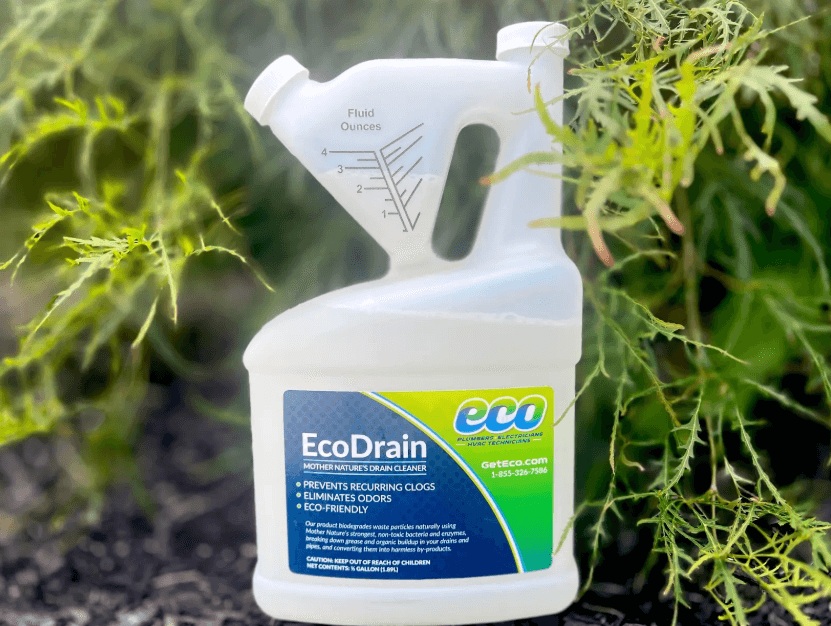
Enzyme drain cleaners work by employing natural bacteria and enzymes that digest organic materials inside pipes. Instead of creating heat, they work slowly to break down grease, soap, and food particles through biological action.
Being gentle and ‘green’, enzyme-based solutions are perfect for routine drain cleaning and preventative maintenance, making them safe for older plumbing systems.
6. Mechanical Drain Cleaners and Their Efficiency
Not every clog takes well to chemicals, and that’s where mechanical tools come in handy. Devices such as plungers, drain snakes, and augers will physically remove or break apart obstructions.
These tools are an immediate and effective solution for solid objects or compacted debris that cleaners cannot dissolve.
7. Why Drain Cleaner Choice Matters
Because various types of drain cleaners are best suited for specific situations, product selection becomes crucial to avoid unnecessary damage. Applying the wrong cleaner to the wrong clog may weaken pipes or create harmful fumes.
The selection of a chemical, mechanical, or enzyme solution should be dependent on certain home ownership factors that include knowing the plumbing material, the severity of the clog, and the kind of debris involved.
8. Safety Usage Tips to Ensure Long-Term Plumbing Health
Any proper usage is very necessary to prevent corrosion, pipe wear, or even a chemical accident. Users should follow manufacturers’ instructions and take necessary precautions the use harsh products.
Regular drain cleaning prevents successive blockages and, in turn, minimizes the need for strong chemicals, which prolongs the life of the plumbing system and reduces repair costs.
Conclusion
Knowing how various drain cleaners work will help homeowners choose the right solution for protecting their plumbing and avoiding repeated buildups. Chemical, enzyme-based, and mechanical options each have their purpose, but wise usage guarantees efficient drainage and extends system performance. Regular maintenance with safe cleaning practices creates a healthier, more reliable plumbing system throughout the home.
If you need more expert home-maintenance guides, explore the tips from our skilled plumbing experts at Eco Plumbers, Electricians, and HVAC Technicians at 614-665-5400 to keep your plumbing running smoothly.
FAQs
1. Which is the safest type of drain cleaner for home use?
Being made of all-natural bacteria, enzyme-based drain cleaners are the safest to use, eschewing harsh chemicals altogether. They are gentle on pipes and ideal for preventive maintenance. In this respect, they reduce long-term corrosion risks.
2. How frequently do I use a drain cleaner to avoid clogs?
Most professionals recommend using a mild enzyme cleaner once a month. This keeps organic buildup low and prevents unexpected blockages. Avoid overusing harsh chemical cleaners to protect your pipes.
3. Will a drain cleaner damage my plumbing system?
Yes, chemical cleaners can cause corrosion if used too frequently or on the wrong pipe material. Always follow product instructions and consider mechanical tools when dealing with solid obstructions.