


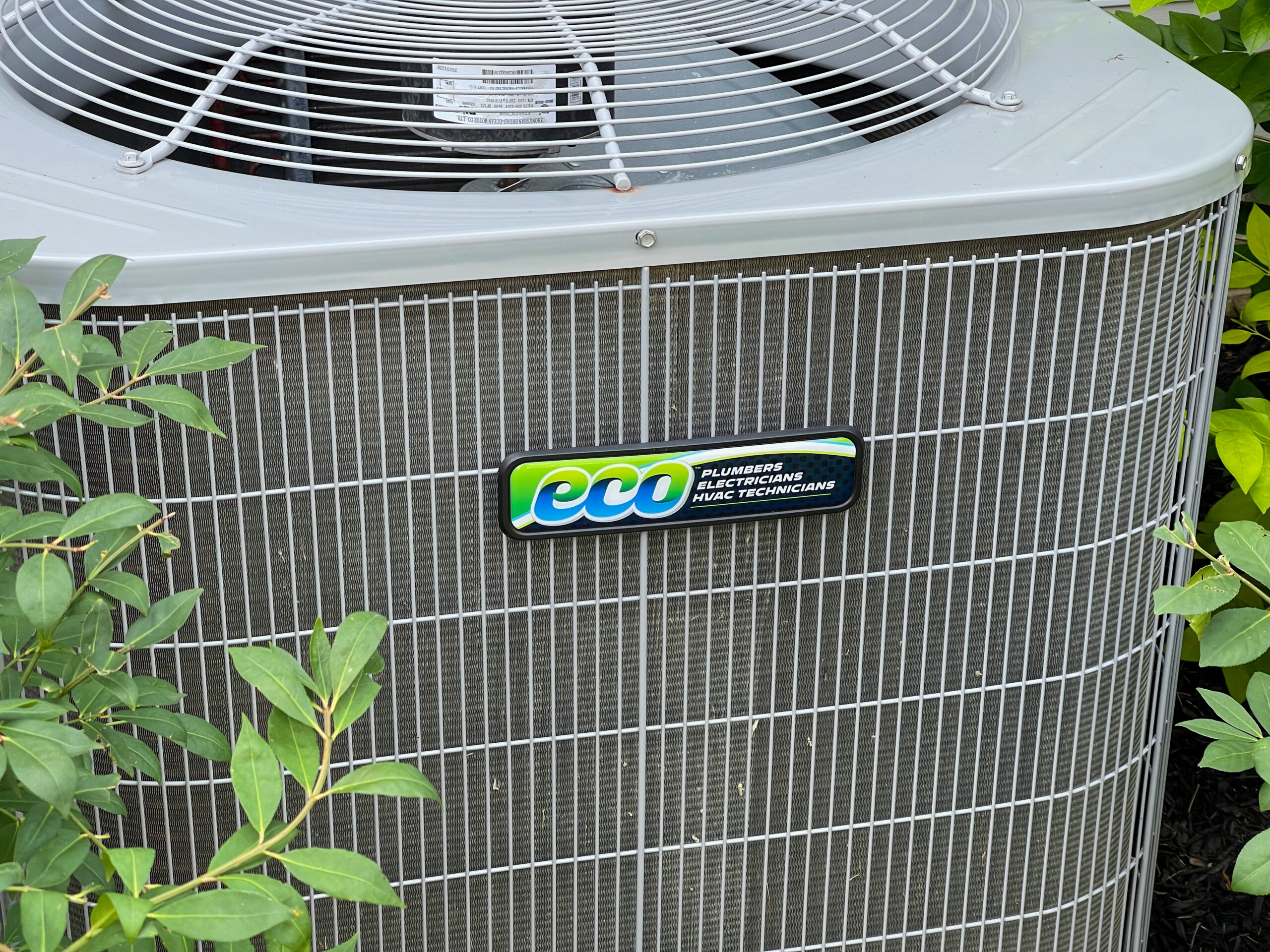
Choosing the right heating and cooling system is a major decision for homeowners who want comfort, efficiency, and long-term value. Heat pumps have gained popularity because they provide both heating and cooling using a single system. They work by transferring heat rather than generating it, which can significantly reduce energy use.
However, a heat pump is not a one-size-fits-all solution for every home. Understanding your home’s layout, climate, and existing HVAC setup is essential before moving forward with heat pump installation in Columbus, OH.
Many homeowners are drawn to heat pumps because of their reputation for efficiency and environmental benefits. At the same time, questions often arise about performance in colder weather, upfront costs, and compatibility with existing ductwork. By evaluating a few key factors, you can decide whether this system aligns with your comfort goals and budget. The following considerations will help you make an informed and confident choice.
1. Your Local Climate and Weather Patterns
Heat pumps perform best in regions with moderate heating and cooling demands, but modern systems are designed to handle colder temperatures more effectively than older models. Cold-climate heat pumps can extract heat even when outdoor temperatures drop significantly. This makes them suitable for many Midwestern homes that experience seasonal swings.
However, extremely cold spells may still require a backup heat source for optimal comfort. Understanding how often your area experiences extreme cold will help determine if a heat pump alone is sufficient.
2. Existing Heating and Cooling System
Your current HVAC system plays a big role in whether a heat pump is a smooth transition. Homes with outdated furnaces or aging air conditioners often benefit the most from an upgrade. If you frequently schedule furnace repairs in Cincinnati, OH, it may indicate that your system is nearing the end of its lifespan.
A heat pump can replace both your furnace and AC, simplifying maintenance and improving efficiency. An evaluation of your existing setup can reveal whether replacement or a hybrid system makes more sense.
3. Home Insulation and Energy Efficiency
A heat pump works most efficiently in a well-insulated home with minimal air leaks. Proper insulation helps retain conditioned air, reducing the workload on the system. Homes with poor insulation may experience uneven temperatures or higher energy bills even with a new heat pump. B
efore installation, it is wise to assess insulation levels in walls, attics, and crawl spaces. Improving insulation can significantly enhance the performance and comfort provided by a heat pump.
4. Upfront Costs and Long-Term Savings
The initial cost of a heat pump can be more expensive than that of a traditional furnace or AC unit. However, the long-term energy savings often offset the upfront investment. Heat pumps use electricity efficiently, which can lead to lower monthly utility bills over time.
Incentives, rebates, and tax credits may also reduce the overall cost. Comparing installation expenses with projected savings helps determine the true value of the system.
5. Ductwork and Installation Requirements
The condition of your ductwork can impact both performance and installation costs. Leaky or poorly designed ducts reduce efficiency and comfort. In some cases, ductless mini-split heat pumps are an alternative for homes without existing ducts.
If your current system requires frequent furnace repairs in Hilliard, OH, it may be a sign that airflow or duct issues need attention. A professional assessment ensures the installation is tailored to your home’s specific needs.
Conclusion
Heat pumps offer an efficient and versatile solution for homeowners seeking reliable heating and cooling. They can reduce energy consumption, simplify HVAC systems, and improve indoor comfort when properly matched to the home. Factors such as climate, insulation, existing equipment, and budget all influence whether a heat pump is the right choice.
Taking time to evaluate these elements helps avoid unexpected challenges later. With the right planning, a heat pump can be a smart long-term investment in your home’s comfort.
If you are considering upgrading your HVAC system, schedule a professional home assessment today to see whether a heat pump fits your comfort goals and energy plans. Call us at Eco Plumbers, Electricians, and HVAC Technicians at (855) 326-7586 now!
FAQs
1. Can a heat pump replace my furnace completely?
Yes, a heat pump can replace a furnace and air conditioner in many homes. In colder regions, some people choose a hybrid system that combines a heat pump with a backup furnace for added reliability.
2. Are heat pumps expensive to maintain?
Heat pumps generally have maintenance costs similar to traditional HVAC systems. Regular inspections and filter changes help keep the system running efficiently and extend its lifespan.