


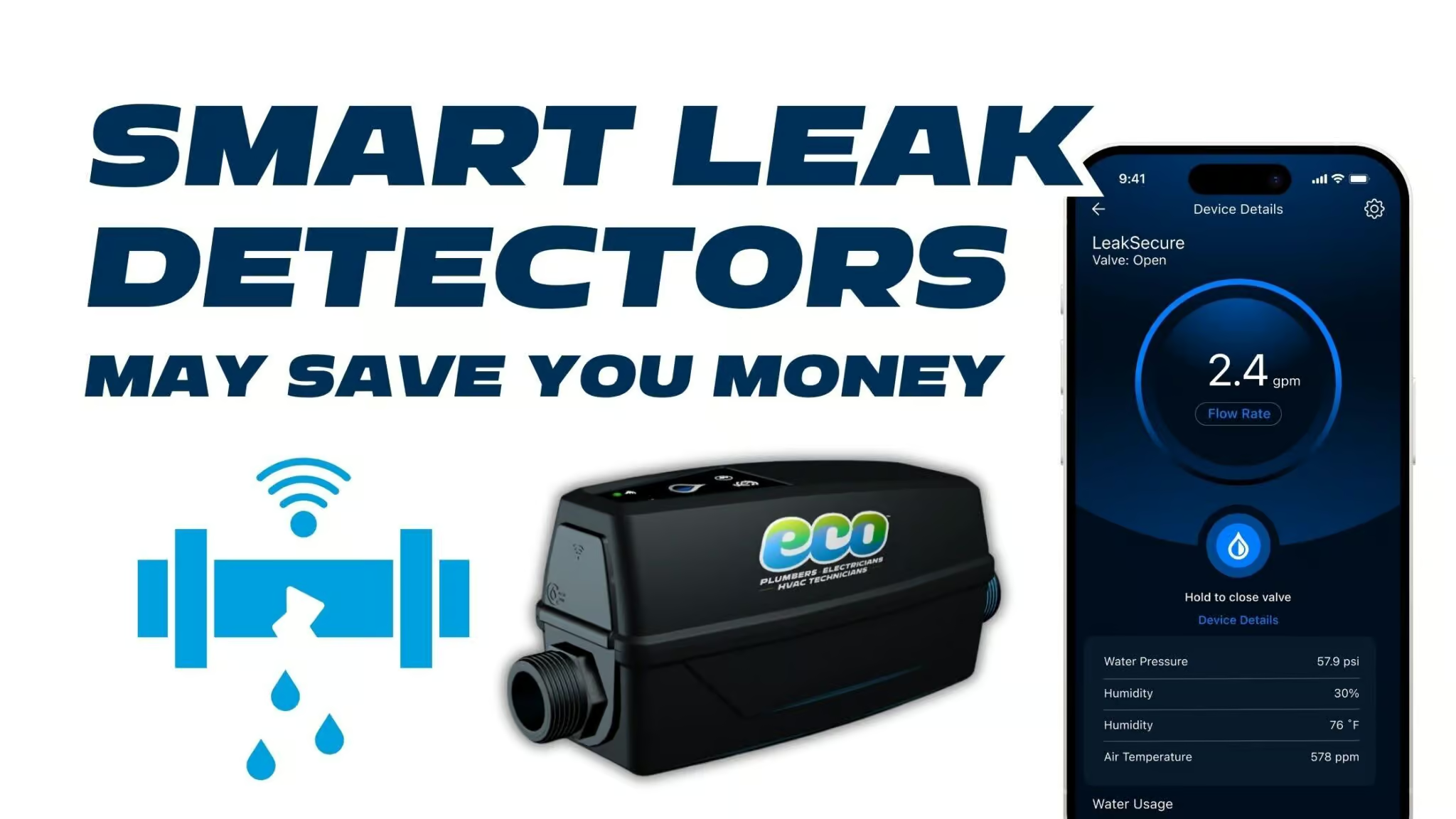
What Is A Smart Leak Detector And How Does It Work?
A smart leak detector is a device designed to detect unwanted water flow or moisture and alert you immediately, often before visible damage occurs. Unlike traditional water alarms that only sound when water physically touches them, smart leak detectors use more advanced technology to identify potential issues early. These systems may rely on moisture sensors placed near high-risk areas like water heaters or sinks, flow monitoring that tracks unusual water usage patterns, or automatic shutoff valves that stop water at the source. Many also send real-time alerts directly to your home, so you’re notified the moment something goes wrong. The biggest advantage is peace of mind: you don’t have to be home to catch a leak early and prevent costly damage.The Real Cost of Water Leaks Most Homeowners Underestimate
Many homeowners think of leaks as minor issues, an annoyance rather than a threat. But the financial reality tells a different story.Direct Costs You Can Expect From an Undetected Leak
Even a small, slow leak can lead to- Inflated Monthly Water Bills (Average Cost: $6-$1,800+)
- Emergency Plumbing Repairs (Average Cost: $500-$1,500+)
- Drywall Replacement (Average Cost: $500-$2,500+)
- Flooring Damage (Average Cost: $200-$3,000+)
- Mold Remediation (Average Cost: $375-$7,000+)
Indirect Costs That Hurt Even More
What surprises many homeowners is the long-term financial consequences:- Insurance claims that raise future premiums
- Denied claims due to delayed reporting
- Reduced home resale value
- Displacement during repairs
- Time lost managing contractors and restoration crews
Why Traditional Leak Detection Methods Often Fail
Most homes rely on one of three “detection strategies,” and all of them have serious limitations.Visual Inspections
You notice stains, warped floors, or mold smells. The problem, though, is that by the time you see these signs, the damage is already extensive.Manual Monitoring of Water Bills
You compare this month’s bill to last month’s. The problem bill only shows trends, not timing. You still don’t know when or where the leak happened.Basic Water Alarms
These devices beep when water touches them. The problem is that they only work if you’re home to hear them, and they don’t stop the leak. Smart leak detectors close the gap by offering early warnings, remote alerts, and in some cases, automatic intervention.How Smart Leak Detectors Can Actually Save You Money
The value of a smart leak detector isn’t just in stopping leaks, it’s in reducing financial risk.Preventing Catastrophic Damage
A burst washing machine hose at 2 am can flood an entire floor before morning. A smart shutoff valve can stop that water in seconds. Stopping one major incident can pay for the system many times over.Lowering Insurance Risk
Some insurance providers now offer premium discounts for homes with smart water monitoring, faster claims approval when leaks are documented early, and reduced liability disputes. While not guaranteed, these incentives are becoming more common as smart home technology becomes standard.Protecting Unoccupied Properties
If you travel frequently, own a vacation home, or manage rental properties, smart leak detectors provide eyes on your plumbing 24/7, without needing someone physically present.How Much Does a Smart Leak Detector Cost?
Smart leak detectors typically cost between $10-$1,500+, depending on the features included. Basic sensors alert you when moisture is detected, while more advanced systems offer Wi-Fi connectivity, mobile alerts, and temperature monitoring to help prevent frozen pipes. Higher-end options may also include automatic water shutoff, which can stop a leak before it causes major damage. Systems like our very own, Eco Smart Leak Detector, fall into this category, providing real-time monitoring and shutting off water when a leak is detected. In addition to the upfront cost, homeowners should consider ongoing expenses such as optional app subscriptions, battery replacements, or professional installation. While the initial investment may feel high, it’s often far less than the cost of repairing damage from a single water leak.Smart Leak Detectors vs. Traditional Leak Alarms
Before choosing a leak detection system, it’s important to understand the difference between traditional leak alarms and smart leak detectors.| Feature |
Traditional Leak Alarm |
Smart Leak Detector |
| Real-time alerts |
❌ |
✅ |
| Works when you’re away |
❌ |
✅ |
| Detects abnormal water flow |
❌ |
✅ |
| Automatic shutoff |
❌ |
✅ |
| App monitoring |
❌ |
✅ |
How to Decide If A Smart Leak Detector Is Right For You
Before buying a smart leak detector, it helps to step back and evaluate your specific situation. Ask yourself a few practical questions:- What would one major water incident realistically cost me?
- How quickly could someone respond if a leak happened while I was asleep or away from home?
- How accessible is my plumbing system if something goes wrong?
Final Thoughts: Prevention Is Almost Always Cheaper Than Repair
At the end of the day, most homeowners don’t realize they have a leak problem until the damage is already done. Rising water bills, hidden moisture, and delayed detection are exactly what turn small issues into expensive repairs. As you’ve read throughout this article, the real cost of water leaks is the damage, disruption, and long-term financial impact that follows. Now, you’re in a different position. You understand how smart leak detectors work, where traditional methods fall short, and why early detection can dramatically reduce both immediate repair costs and future insurance headaches. For many homeowners, preventing just one major incident is enough to invest. Your next step is to learn more about smart leak detection and how it can protect your home from costly water damage. Understanding your options can help you avoid unexpected repairs later and give you peace of mind year-round. When you’re ready to install a system and future-proof your home, working with a professional is key. Contact us today to get expert guidance, proper installation, and long-term protection that helps you catch leaks early and save money over time.FAQs
Will a smart leak detector work with older plumbing systems?
Yes, most smart leak detectors are designed to work with a wide range of plumbing setups, including older homes. Standalone moisture sensors can be placed near existing fixtures without any plumbing changes, while whole-home systems typically install on the main water line regardless of pipe age. That said, older or corroded pipes may require professional installation or inspection to ensure compatibility, especially for systems with automatic shutoff valves.
Can a smart leak detector prevent frozen pipe damage?
Some smart leak detectors can help prevent the risk of frozen pipe damage, but not all systems are designed for this. Advanced models may monitor temperature and alert you when conditions approach freezing, giving you time to act before a pipe bursts. However, a leak detector alone won’t physically prevent freezing. Proper insulation and winterization are still essential, especially in colder climates.
What happens if the Wi-Fi or power goes out during a leak?
This depends on the system. Many smart leak detectors rely on Wi-Fi for alerts, but will still detect leaks locally even during an outage. Higher-end systems with automatic shutoff valves often include battery backups or local control, allowing them to stop water flow even if internet access is lost. Homeowners in areas prone to outages should look closely at backup power and offline functionality before choosing a system.