

Introduction
Did you know that a single leaking water line can waste up to 10,000 gallons of water every year? What starts as a small drip could turn into a major plumbing problem if not handled properly. Deciding between fixing a damaged line and replacing it entirely can be tricky. Factors like pipe age, materials, and damage level all play a part in what’s best for your home. Whether you’re dealing with a sudden leak or ongoing low pressure, understanding your options can help you make a smarter, more cost-effective decision about water line replacement in Columbus, OH.
Water Line: Repair or Replace? How to Choose
1. Spot the Early Signs of Trouble
Small symptoms often hint at larger problems underground. Look out for damp spots in your yard, sudden water bill spikes, or patches of unusually green grass. Low water pressure or discolored tap water may also indicate pipe corrosion or small leaks. Addressing these issues early can prevent larger damage later. A quick inspection from a qualified plumber can reveal whether you’re dealing with minor wear or something more serious, helping you act before the issue worsens.
2. Consider the Age and Material of Your Pipes
Older homes often have outdated plumbing materials like galvanized steel or polybutylene, which are more prone to corrosion and breakage. If your system is several decades old, replacement may be the smarter choice. Modern materials such as copper or PEX last longer and offer better water quality. Even if the current leak seems minor, upgrading older lines can help prevent future failures and improve overall efficiency. Think of it as investing in long-term peace of mind and reliability.
3. Evaluate the Extent of Damage
When deciding between a quick fix and full replacement, the level of damage is key. A small, isolated crack may only need targeted repair, while widespread corrosion, root intrusion, or multiple leaks often point toward water line repair in Dayton, OH, that involves more than just patching. Professionals use advanced tools like camera inspections to locate the problem precisely. Knowing the extent of the issue helps you make a clear decision—saving both time and money in the long run.
4. Compare Costs and Long-Term Value
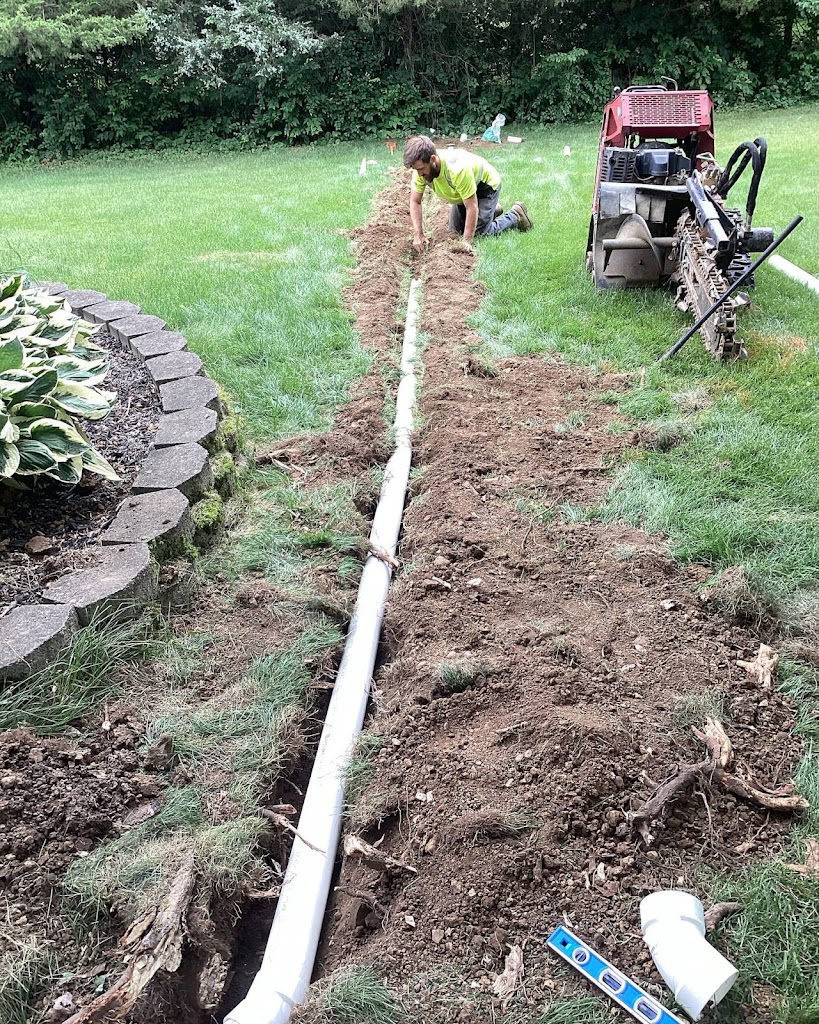
While repairs often seem cheaper upfront, repeated fixes can add up fast. Replacement might require a higher initial investment but can save you from future expenses. Modern trenchless technology also makes replacing underground pipes less invasive and quicker than traditional methods. Weighing the total cost over time gives a clearer picture of which option offers better value. In many cases, long-term reliability and lower maintenance costs make replacement the more economical path.
5. Think About Future Home Plans
Your long-term home goals matter too. If you plan to stay for many years, a full replacement provides lasting security and peace of mind. But if you’re preparing to sell soon, a professional repair might be enough to keep things functional without major expense. Either way, maintaining healthy water lines supports your home’s value and protects against unexpected plumbing emergencies. Thinking ahead helps you choose a solution that fits your lifestyle and budget.
Make the Right Choice with Confidence
Every home’s plumbing situation is unique, but making a clear decision between repair and replacement doesn’t have to be stressful. Paying attention to early signs, understanding the scope of damage, and balancing long-term benefits will help you protect your home’s comfort and safety. Acting before problems escalate keeps your water system dependable year-round.
Conclusion
Call Eco Plumbers, Electricians, and HVAC Technicians at (855) 326-7586 for expert water line repair in Dayton, OH, that restores flow and peace of mind.
📌Your local solution for home comfort! Trust Eco Service Center for expert plumbing, electrical & HVAC services from reliable pros.