


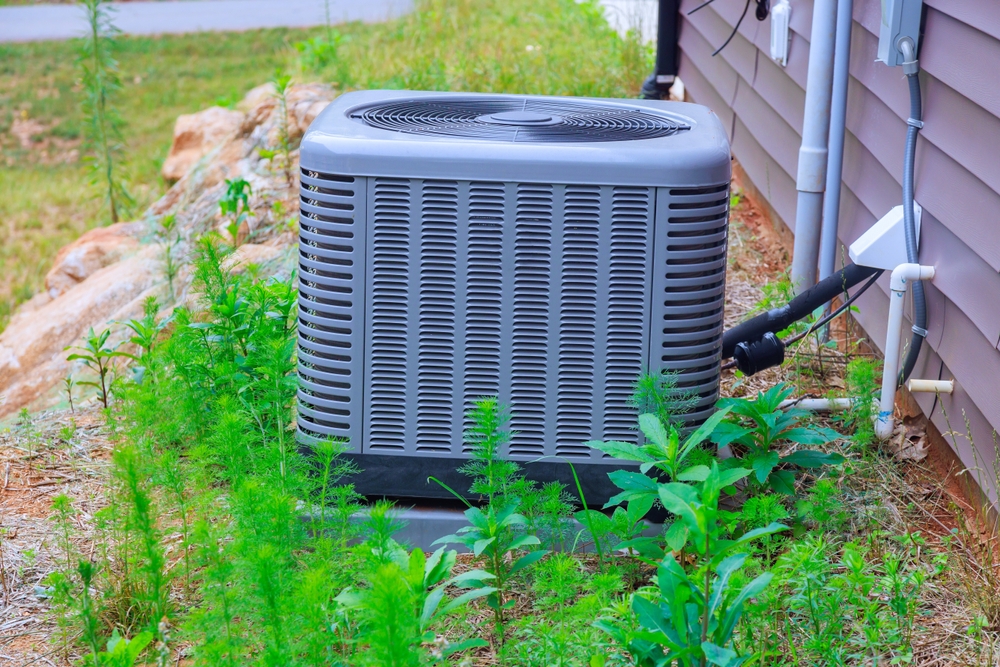
Nobody really thinks about their AC until it quits on the worst possible day. Once homeowners start calling around for the average ac service cost in Dayton, OH, the quotes seem to land all over the map, sometimes $89 from one shop and $240 from the next for what sounds like the exact same visit.
Why the gap? Behind those numbers sits a pile of stuff most people never bother asking about. How old your unit is. What refrigerant it runs on. How easy your condenser is to reach from the side yard. Who’s certified to touch it. Whether your call lands in the busy stretch or the quiet shoulder season. Throw in weekend pricing and after hours fees and the bill suddenly stops making sense. Once you understand what’s actually driving the number, things get a whole lot less frustrating, and a whole lot easier to budget for.
1. What a Standard Service Visit Actually Includes
A real service call goes way past pulling out the filter and calling it done. A licensed tech should walk through your whole system top to bottom. Across most of southwest Ohio, the typical AC maintenance cost sits between $90 and $200 for one residential unit, give or take a few bucks for travel zones. Here’s what a thorough visit should cover:
- Inspection of the indoor evaporator coil and outdoor condenser coil.
- Blower motor amp draw and bearing check.
- Capacitor and contactor readings tested against the manufacturer’s spec.
- Refrigerant pressure test on both the suction and liquid lines.
- Condensate drain flush so it doesn’t back up in August.
- Tightening every loose electrical connection inside the disconnect.
- Airflow reading at the supply registers furthest from the air handler.
Some companies bundle a coil rinse and a small refrigerant top off into that flat rate. Others list those separately and quietly add them on at the end of the appointment. Always ask for the line items in writing before the truck rolls out.
2. Why One Home Pays Twice as Much as the Neighbor
Two houses on the same block can honestly get wildly different quotes, and it’s almost never about anyone trying to rip you off. It’s structural. A two story colonial with the air handler buried in a finished attic eats more labor minutes than a ranch where everything sits out in the open basement. Older systems still running on R22 push the air conditioner service price way up, because that refrigerant got phased down years ago and now costs a small fortune per pound. Add a steep roof, a fenced yard with three big dogs, or no working light in the mechanical closet, and the clock just keeps ticking on the work order. Square footage matters less than most people assume. Age and physical access matter a lot.
3. The Hidden Role of Parts and Refrigerant
Parts markup is where most homeowners get blindsided when the final invoice prints. Here’s roughly how the math actually works behind the scenes:
- A capacitor that costs the company $25 at the supply house often bills out around $180 once labor, warranty coverage, and truck stock get folded in.
- R410A refrigerant has bounced between $40 and $110 a pound over the past few years.
- Older blends like R22 can run past $200 a pound on a rough week at the supply counter.
- Diagnostic fees normally sit between $79 and $149, and many companies credit that fee back if you approve the repair the same day.
If your system is low on charge, the right move is finding the leak first. Just dumping in a fresh refrigerant charge means it leaks right back out through the same hole within a few months. A solid company breaks the part, the labor, and the diagnostic onto separate lines so you can actually see what you’re paying for, no guessing.
4. Seasonal Timing and How It Moves the Final Bill
Calling for help in the middle of July is the most expensive way to stay cool, hands down. Demand spikes hard the first real heat wave of the year, and overtime rates kick in the second the dispatch board fills past five o’clock. Spring tune ups, on the other hand, get discounted constantly because companies want their calendars booked solid long before summer ever hits its peak. A routine inspection in early February costs noticeably less than the exact same job on a sticky Saturday in August. Booking ahead is the simplest discount nobody bothers using, even though it’s posted right there on most local company websites.
5. Membership Plans, Diagnostic Fees, and the True Total
Service agreements quietly change the math in ways a flat quote never will. A yearly membership running $180 to $260 usually covers two scheduled visits, priority placement on the dispatch board, and a real discount on any repair the technician finds during the appointment. A standalone diagnostic fee tends to sit between $79 and $149, and many shops credit that fee back toward the work if you approve the repair the same day. Read the fine print on what counts as a covered repair versus what slides into the “additional labor required” bucket. A decent plan tends to pay for itself the first time a contactor blows on a Sunday afternoon and the after hours premium gets waived.
A cooling bill rarely tells the whole story right there on the page. The final number reflects how old your equipment is, what refrigerant it takes, how the parts get marked up, what time of year you called in, and how long the tech actually spent figuring out the problem. Ask for a written breakdown before anyone touches a wrench, and compare estimates on equal footing instead of just totals. Be just as suspicious of the lowest quote as the highest one, because both can hide assumptions nobody mentioned out loud. A fair price is the one you fully understand, not just the smallest number printed on the sheet.
“Want clarity on the average AC service cost in Dayton, OH? Call us, Eco Plumbers, Electricians, and HVAC Technicians, at 614-665-5400 for upfront pricing today.”
FAQs
1. How much does a basic AC tune up usually cost in Dayton, OH?
For a standard residential system, most reputable HVAC providers in the area land somewhere between $90 and $200 for a seasonal tune up. The exact number shifts depending on whether the company includes a coil rinse, a small refrigerant top off, and a written inspection report in the flat rate.
2. How often should I service my air conditioner in Dayton, OH?
Once a year is the bare minimum, and early spring is the smartest time to book before the first real heat wave hits the Miami Valley. Homes with pets, older equipment, or really heavy summer use often benefit from a second visit in the fall to catch problems early.
3. Is annual AC service really worth the cost for older homes in Dayton, OH?
Yes, especially when the system is past ten years old or still runs on R22 refrigerant. A skilled tech can spot small problems before they grow into compressor failures, which remain the single most expensive repair anyone in the Gem City can run into.