

Plumbing is the rare home system where a confident homeowner can absolutely save real money on the small stuff, and also lose serious money trying to handle the slightly bigger stuff. The line between those two zones is way thinner than YouTube tutorials make it look, and the smart approach to home plumbing solutions in 2026 starts with knowing exactly which side of the line a particular job falls on. A running toilet flapper, a stuck pop up drain, a clogged faucet aerator, those are weekend warrior territory all day long. A leaking shower valve hidden behind tile, a slab leak under the foundation, a water heater throwing pressure relief valve errors, those start cheap and end expensive the moment a homeowner without the right training starts pulling things apart on a Saturday afternoon.
The real money savers for most households:
- Knowing which fixes are genuinely DIY safe versus quietly above pay grade.
- Catching small leaks before they cause structural water damage.
- Choosing the right replacement parts the first time instead of three returns later.
- Hiring smart on the bigger jobs instead of trying to muscle through them alone.
Get those four right and the plumbing bill for the year stays where it belongs.
1. The Repairs You Can Genuinely Handle Yourself
Plenty of household plumbing problems are honestly weekend projects, and pretending otherwise just costs money on service calls that didn’t need to happen.
A running toilet, a slow bathroom sink drain, a dripping kitchen faucet, and a stuck pop up tub stopper all fall squarely into homeowner territory. Parts cost between five and forty dollars at any hardware store, and the work usually takes under an hour with a basic adjustable wrench and a pair of pliers. The DIY safe list:
- Toilet flapper or fill valve replacement, the most common running toilet fix.
- Faucet aerator cleaning, the most common low water pressure fix at one fixture.
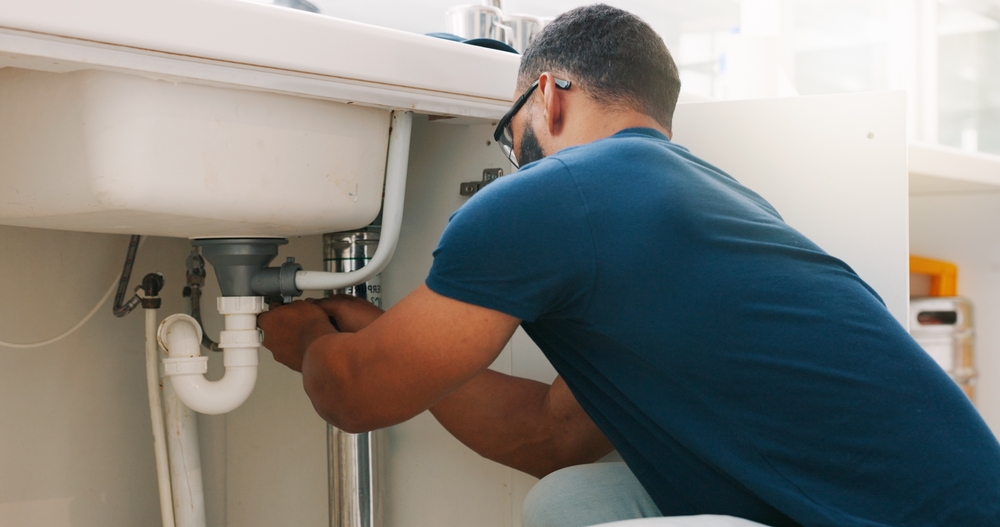
- P-trap removal and cleaning under sinks, when a clog is local.
- Showerhead replacement and Teflon tape application on existing threads.
- Outdoor hose bib washer replacement when the spigot drips after closing.
YouTube has solid tutorials for every one of these. Watch two or three before starting, and the project usually goes smoother than expected.
2. The Repairs That Look Easy and Genuinely Aren’t
This is where most expensive plumbing mistakes start, in jobs that look like a thirty minute DIY but quietly aren’t.
Replacing a shower valve cartridge sounds simple until the homeowner realizes it requires shutting off the main water, accessing fittings buried behind tile, and matching a specific cartridge model that varies between brands and even production years. A finished bathroom hides plumbing connections behind drywall and tile that have been there for decades, and disturbing those connections without the right tools can crack tile, snap old fittings, or release decades of mineral buildup that floods the space. A reputable house plumber solution in Dayton, OH, approaches these jobs with shutoff valves on the truck, replacement supply lines ready, and tile patching contacts available if something goes sideways during the repair. Jobs that quietly belong on the call a pro list:
- Shower valve cartridge replacement on tile surrounds.
- Garbage disposal replacement when the existing flange is corroded.
- Toilet replacement when the closet flange shows signs of damage.
- Water heater anode rod replacement on units past eight years old.
- Any repair involving cutting copper or PEX lines beyond a single fitting.
The DIY savings on these jobs usually evaporate the moment something unexpected happens behind the wall.
3. Why Catching Small Leaks Saves Real Money
Water damage is genuinely the most expensive home repair category that nobody plans for, and almost all of it starts with a leak somebody noticed and ignored.
A faucet dripping once per second wastes about 3,000 gallons a year, which adds up on the water bill but pales compared to the structural damage a slow leak under a sink causes over six months. Cabinet bottoms warp, drywall behind the cabinet softens and grows mold, and the floor sub structure underneath quietly rots away. Signs worth investigating immediately:
- Any visible water staining under sinks or around toilet bases.
- Soft spots in flooring near plumbing fixtures.
- A water bill that climbs noticeably without any change in usage habits.
- Persistent musty smells in bathrooms, laundry rooms, or basement utility areas.
- Hot water heater visibly damp at the base or flooring around it discolored.
Each of these costs maybe a hundred dollars to diagnose and fix today. Six months from now, the same problem becomes a $4,000 cabinet replacement plus mold remediation. The math is brutal in one direction.
4. The Parts Aisle Disaster Most Homeowners Don’t See Coming
Buying the wrong replacement part is honestly one of the most underrated ways DIY plumbing projects go sideways at the kitchen table.
Plumbing fittings come in maddening variations, and the parts that look identical on the shelf often have completely different threading, sealing surfaces, or material compatibility specs underneath. Common parts aisle traps in 2026:
- Toilet flappers labeled universal that don’t actually fit older Kohler or American Standard tanks.
- Faucet cartridges from generic brands that fit physically but leak in months.
- Push to connect fittings rated for cold water only, used on hot lines and failing.
- Supply lines using rubber gaskets in households with hard water, drying out within a year.
- Wax rings sized for standard flanges, used on extra tall toilets without flange extenders.
Bring the old part to the store. Take photos of the existing setup before pulling it apart. Confirm the brand and model number wherever stamped on the fixture itself. The fifteen extra minutes spent saves the third trip back to the hardware store.
5. Knowing When to Stop and Call
The hardest skill in DIY plumbing isn’t the wrench work, it’s knowing exactly when to put the wrench down and call somebody.
The honest test most experienced homeowners use looks something like this:
- The water won’t shut off completely at the local valve, stop and call.
- The repair requires soldering or torch work near combustible materials, stop and call.
- The fitting that needs replacing is buried in a wall, ceiling, or slab, stop and call.
- The job involves the main water shutoff or anything with the city meter, stop and call.
- The repair has been “almost done” for over two hours past the original estimate, stop and call.
That last one is the most expensive. A two hour project that’s been running six hours has now created secondary problems beyond the original repair, and a plumber called at hour seven charges to fix both the original issue and whatever happened during the failed DIY attempt.
Smart plumbing in 2026 comes down to honesty with yourself about which jobs belong on the weekend list and which ones belong on the call somebody list. Toilet flappers, faucet aerators, P-traps, and outdoor spigots are absolutely fine to handle alone with basic tools and a tutorial. Shower valves, water heaters, slab leaks, and anything behind tile or drywall belong to a licensed plumber who has the parts on the truck and the experience to handle the surprises waiting inside the wall.
The homeowners who consistently spend the least on plumbing across the year are usually the ones who know that line cold and respect it. Knowing when to stop is genuinely the most underrated skill in homeownership.
“Stuck mid project? Call us, Eco Plumbers, Electricians, and HVAC Technicians, at 614-665-5400 for trusted home plumbing solutions today.”
FAQs
Q1: What plumbing repairs can I really do myself in Dayton, OH?
Toilet flappers, faucet aerators, showerheads, P-trap cleaning, and outdoor hose bib washers are all genuinely safe weekend projects with basic tools. Anything involving shower valves, water heaters, slab leaks, or pipes hidden inside walls usually belongs to a licensed plumber, since the cost of DIY mistakes in those areas tends to dwarf the original repair price quickly.
Q2: How do I find a dependable plumber in Dayton, OH?
Start by verifying the license number through the Ohio state board, then read one and two star reviews instead of just the five star average to see how the company handles real problems. Ask for written estimates before any work begins, confirm liability and workers comp insurance, and pay attention to whether the dispatcher gives a real arrival window during the booking call.
Q3: How often should I have my plumbing inspected in Dayton, OH?
Most homes benefit from a professional plumbing inspection every two to three years, though older homes with original cast iron piping or galvanized supply lines often need annual checks to catch corrosion early. A standard inspection includes water pressure testing, fixture checks, drain flow assessment, and a quick look at the water heater, all of which surfaces small problems while they’re still cheap to fix.