

A backed-up drain can disrupt your entire routine and quickly turn into a messy problem if not addressed early. Slow drainage, gurgling sounds, or standing water often signal deeper issues within your plumbing system that need attention.
At Eco Plumbers, Electricians, and HVAC Technicians, homeowners are often reminded that prompt drain cleaning can prevent minor clogs from escalating into costly repairs. Understanding the right steps to take when a drain backs up helps protect your home, plumbing, and peace of mind.
1. Identify the Early Warning Signs
A drain rarely backs up without warning. Slow-moving water, bubbling noises, or unpleasant odors usually indicate a buildup forming inside the pipes. Recognizing these signs early allows you to act before water overflows. Addressing minor symptoms quickly often prevents structural damage and more extensive plumbing issues.
2. Stop Using Water Immediately
When a drain backs up, continuing to run water worsens the situation. Additional water increases pressure in the pipes and can cause spills or leaks. Shutting off nearby fixtures helps stabilize the system. This pause gives you time to assess the severity without making the blockage harder to clear.
3. Try Simple At-Home Measures First
For minor clogs, basic tools like plungers can sometimes restore proper flow. Gentle plunging helps dislodge soft obstructions without damaging pipes. Avoid chemical cleaners, as they may corrode plumbing and create long-term issues. Physical methods are safer and more effective for initial attempts.
4. Understand Bathroom Drain Issues
Bathroom drains often clog due to hair, soap residue, and personal care products. Over time, these materials bind together and restrict water flow. Regular bathroom drain cleaning reduces buildup and keeps water draining smoothly. Addressing these clogs early prevents backups from spreading to other fixtures.
5. Know When to Call Professionals
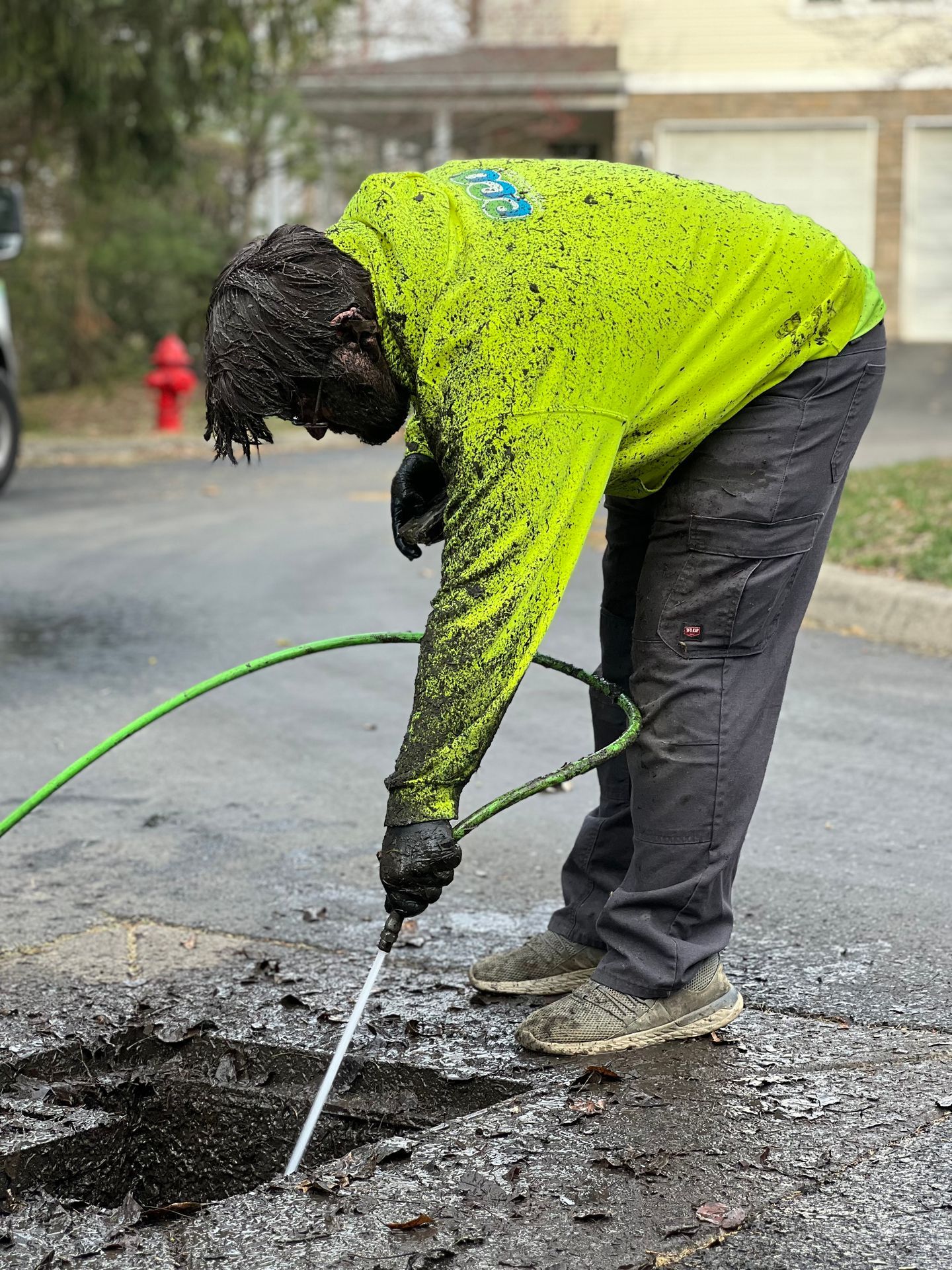
If repeated attempts fail or multiple drains back up at once, the problem may be deeper. These situations often signal issues beyond surface-level clogs. Professional drain cleaning services use specialized tools to clear blockages safely. Expert intervention helps restore flow while protecting your plumbing system.
6. Learn the Difference Between Clearing and Cleaning
Drain clearing removes the immediate obstruction causing the backup. It restores flow but may leave residue along the pipe walls. Drain cleaning goes further by removing buildup throughout the line. This process improves long-term performance and reduces the risk of recurring clogs.
7. Consider the Role of Sewer Lines
When backups affect multiple areas, the issue may lie in the main sewer line. Tree roots, grease, or collapsed pipes can block wastewater flow. In these cases, comprehensive drain and sewer services are often required. Addressing sewer-level issues prevents widespread damage and repeated backups.
8. Prevent Future Drain Backups
Preventive habits make a significant difference in drain health. Using strainers, avoiding grease disposal, and scheduling inspections reduce buildup. Routine maintenance keeps pipes clear and extends their lifespan. Prevention is often more affordable and less stressful than emergency repairs.
Conclusion
A backed-up drain is more than an inconvenience. It is a warning sign that shouldn’t be ignored. Acting quickly minimizes damage and helps maintain a healthy plumbing system. By recognizing early symptoms, using safe methods, and knowing when to seek help, homeowners can manage drain backups with confidence. Consistent care ensures smoother drainage and fewer surprises.
Dealing with a stubborn drain backup? Schedule a professional inspection from us at Eco Plumbers, Electricians, and HVAC Technicians at (855) 326-7586 and restore your home’s plumbing before the problem worsens.
FAQs
1. What causes drains to back up suddenly?
Drains often back up due to accumulated debris, grease, or hair that restricts water flow. Sudden backups may also indicate deeper pipe or sewer line issues.
2. Is it safe to use store-bought drain cleaners?
Chemical cleaners can damage pipes and may worsen long-term problems. Mechanical or professional solutions are safer and more effective.
3. How often should drains be professionally serviced?
Annual inspections are recommended for most homes. Regular service helps identify buildup early and prevents unexpected backups.