


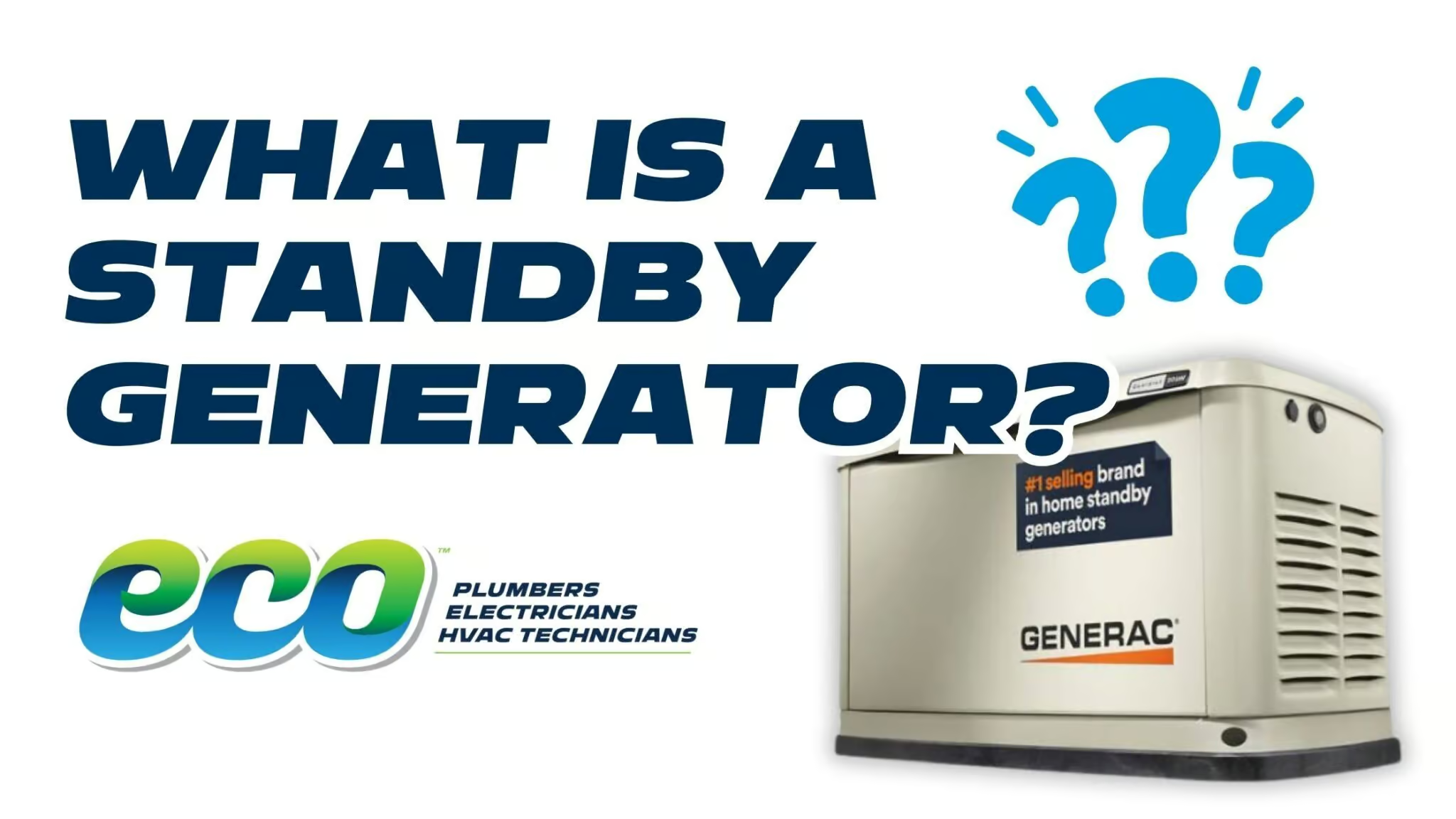
What Is a Standby Generator?
A standby generator is a permanently installed backup power system that automatically supplies electricity to your home during a power outage. Unlike portable generators that have to be manually started and connected using extension cords, a standby generator is hardwired into your electrical panel and connected directly to a fuel source such as natural gas or propane, so there’s no need for extension cords or manual refueling.How a Standby Generator Works
When utility power fails, the automatic transfer switch (ATS) detects the outage and signals the generator to start within seconds. It then safely transfers your electrical load from the grid to the generator. Once power is restored, the system switches back automatically and shuts down. Depending on the size you choose, a standby generator can power essential circuits like refrigerators, sump pumps, and HVAC systems, or your entire home. It provides seamless, automatic protection and peace of mind without requiring you to take action during an emergency.Whole-Home vs. Essential Circuit Standby Generators
When choosing a standby generator, you’ll decide between powering essential circuits only or your entire home during an outage. The right option depends on your budget, energy needs, and how much disruption you’re willing to accept.What are Essential Circuit Generators (Partial-Home)?
Essential circuit generators, or partial-home generators, are designed to power only the most important systems in your home. Instead of powering every electrical circuit, these generators are connected to a subpanel that contains selected circuits. Common circuits powered by these systems include:- Refrigerator or Freezer
- Sump Pump
- Furnace or Heating System
- Key Lighting Circuits
- Internet Router and Modem
- Garage Door Opener
What are Whole-Home Generators?
Whole-home systems are sized to run nearly everything in your house when the power goes out. These systems are larger and are sized to support most, if not all, of your home’s electrical demand during an outage. A whole-home generator can typically run these types of appliances.- Central Air Conditioning Systems
- Electric Water Heaters
- Kitchen Appliances
- Laundry Appliances
- Lighting Throughout The House
- Home Offices and Electronics
Which Standby Generator Is Right For You?
The decision really comes down to your budget, your home’s electrical demand, and what your tolerance is for lifestyle disruption when your power does go out. A professional load calculation will show you the size and cost difference between both options so you can choose the level of protection that fits your home best.How to Determine the Right Generator Size
Choosing between an essential circuit generator and a whole-home generator usually comes down to budget, electrical demand, and how much comfort you want during an outage. The table below compares the two options to help you decide which is the better fit for your home.| Decision Factor |
Essential Circuit Generator (Partial-Home) |
Whole-Home Generator |
| Budget |
Lower upfront cost because the generator is smaller and powers fewer circuits. Installation is typically simpler, and fuel usage is lower during operation. |
Higher upfront investment due to larger equipment and more complex installation. Uses more fuel but provides full power coverage and maximum convenience. |
| Typical Cost Range |
Generally $6,000-$12,000+ installed, depending on generator size, electrical setup, and installation complexity. |
Typically $12,000-$25,000+ installed, depending on generator capacity, home size, and electrical requirements. |
| Home Electrical Demand |
Designed to power only essential systems such as refrigerators, sump pumps, furnaces, and a few lightning circuits. Best for a home with moderate electrical demand. |
Sized to power most or all of the home, including HVAC systems, water heaters, appliances, and electronics. Ideal for homes with high electrical demand. |
| Appliances Powered During Outage |
Usually powers key items like: refrigerator, sump pump, furnace, select lights/outlets, and internet/router. Some appliances may need to remain off. |
Can power nearly everything in the home, including: central air conditioning, kitchen appliances, laundry appliances, water heater, and home office devices. |
| Comfort Level During Outages |
Provides basic comfort and protection, but may require limiting appliance usage or adjusting routines during outages |
Allows homeowners to live almost normally during outages with little or no adjustment to daily routines. |
| Fuel Usage |
Lower fuel consumption because fewer systems are powered. More efficient for shorter or occasional outages |
Higher fuel usage because the generator supports the entire electrical load of the home. |
| Best For |
Homeowners who want affordable protection for critical systems and are comfortable limiting some electrical usage during outages. |
Homeowners who want maximum convenience, full-home comfort, and an uninterrupted lifestyle during power outages. |
Choosing the Right Standby Generator for Your Home
Standby generators provide reliable protection when unexpected power outages disrupt your home. Whether you choose an essential circuit system to keep critical appliances running or a whole-home generator that powers nearly everything, both options help ensure your home stays safe, comfortable, and functional when the grid goes down. The right solution ultimately depends on your home’s electrical demand, your budget, and how much disruption you’re willing to tolerate during an outage. By understanding the differences between these systems, you can make a more confident decision about the level of backup power that best fits your home and lifestyle. If you’re considering installing a standby generator, the next step is understanding how the installation process works and what to expect. To learn more about permitting, electrical connections, fuel sources, and timelines, read our guide: Standby Generator Installation Explained.FAQs
Will a standby generator increase my home's value?
In many cases, yes. A professionally installed standby generator can make a home more attractive to buyers, especially in areas prone to storms or grid instability. While it may not return 100% of the installation cost, it is often viewed as a premium upgrade similar to a new HVAC system or roof, particularly if it powers the entire home.
How loud is a standby generator when it’s running?
Modern standby generators are significantly quieter than portable models. Most residential units operate between 60 and 70 decibels at normal load, which is comparable to a running air conditioning unit. Proper placement during installation, following local clearance codes, also helps minimize noise impact for both homeowners and neighbors. We also only use premade concrete pads to help reduce sound as well!