

What’s Ahead
If your sewer line is starting to fail, you are probably noticing warning signs like slow drains, foul odors, or recurring backups, and wondering how serious the problem really is. The issue is that what you see inside your home is often just a symptom of a much larger problem underground, where damage can worsen over time and lead to expensive, disruptive repairs.
Most homeowners and property managers do not think about their sewer lines until something goes wrong, which is why these problems often escalate into emergencies instead of being handled early.
At Eco Plumbers, Electricians, and HVAC Technicians, we have helped thousands of homeowners identify and address sewer line issues before they turn into major failures. Through years of hands-on experience with both traditional repairs and trenchless solutions, we have seen firsthand how proactive approaches can save time, money, and stress.
Trenchless sewer lining is one of the most effective preventive solutions available today because it allows you to reinforce and restore your pipes before they collapse, leak, or cause property damage.
What Is Trenchless Sewer Lining?
Trenchless sewer lining, also called cured-in-place pipe or CIPP lining, is a method of repairing your existing sewer line without digging up your yard, driveway, or foundation.
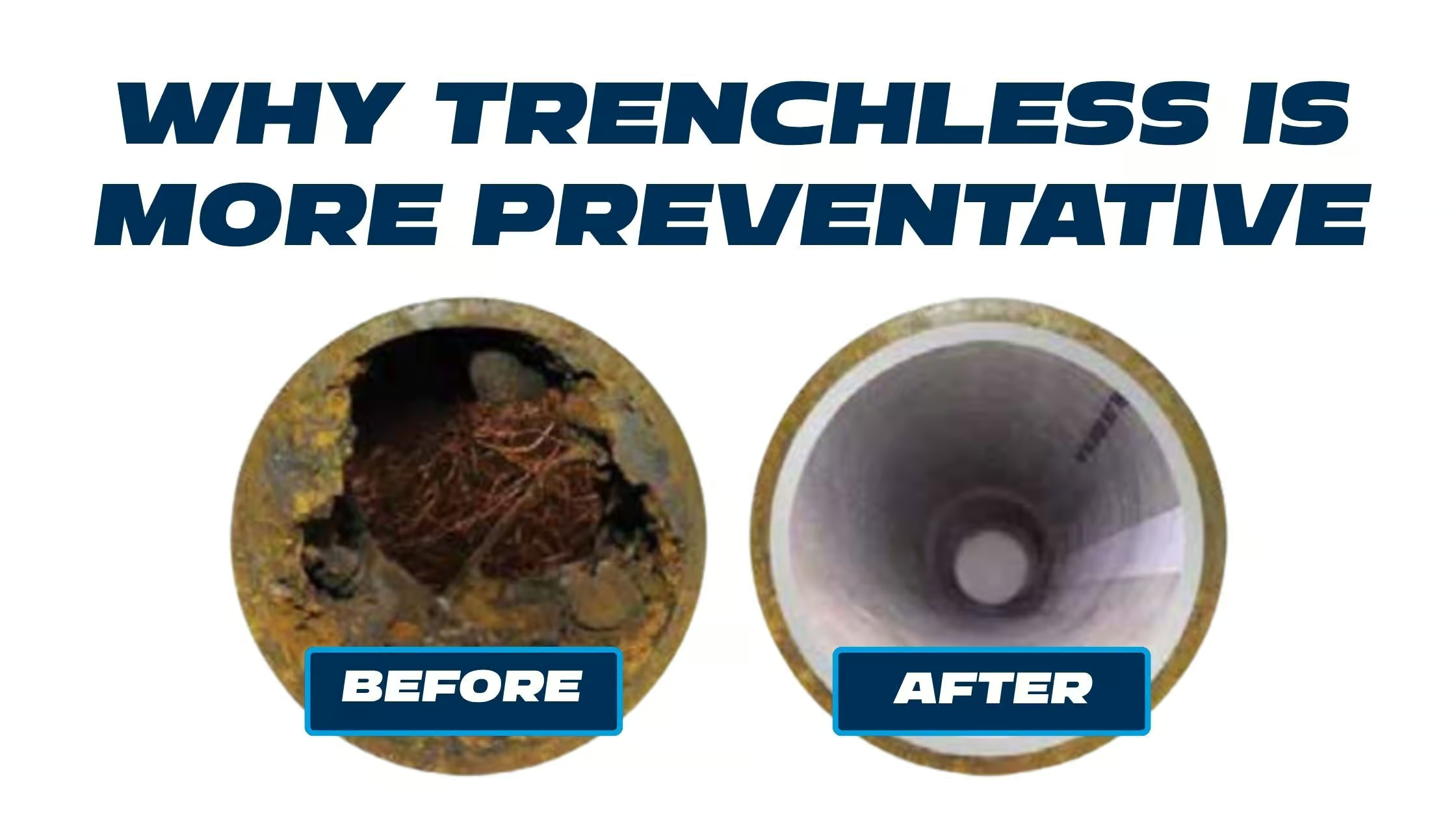
Instead of removing the damaged pipe, a flexible liner coated with a specialized resin is inserted directly into your existing pipe. Once positioned, the liner is inflated and cured in place, creating a new, seamless pipe inside the old one. The result is a durable, jointless pipe that can last 50 years or more.
What makes this approach different is that it does not just fix what is already broken. It allows you to reinforce your sewer line while it is still structurally sound, helping you avoid major failures before they happen.
Why Traditional Sewer Repairs Are Reactive
To understand why trenchless lining is considered more preventive, you need to look at how sewer problems are typically handled.
The “Wait Until It Breaks” Approach
Most traditional sewer repair methods are reactive, meaning action is only taken after a problem becomes obvious.
In most cases, the process looks like this:
- You notice a problem, such as a backup, leak, or slow drainage
- A plumber performs an inspection and identifies the damage
- Excavation begins after the pipe has already failed
By the time repairs start, the issue has often progressed into a much larger and more expensive problem.
The Hidden Costs of Reactive Sewer Repairs
When you wait until a sewer line fails, the repair is rarely simple.
Reactive repairs often involve:
- Damage to your yard or landscaping
- Disruption to driveways, sidewalks, or foundations
- Higher costs due to emergency service needs
- Temporary loss of access to your plumbing system
What you see inside your home is often only a small part of the problem. In many cases, underlying issues like cracks, corrosion, and root intrusion have been developing for years before any visible symptoms appear.
How Trenchless Sewer Lining Prevents Major Problems
Trenchless sewer lining shifts your approach from reacting to failures to preventing them in the first place. Instead of waiting for your sewer line to break, you reinforce it early and avoid the damage altogether.
It Stops Major Damage From Getting Worse
Small cracks and leaks may not seem urgent, but they rarely stay small. Over time, they can worsen due to soil pressure, tree root intrusion, and water filtration.
Trenchless sewer lining seals these weak points early, helping you avoid full pipe failure.
It Creates a Strong, Seamless Pipe
Many sewer line issues start at pipe joints, where connections weaken and become vulnerable. These weak points can allow roots to enter, water to escape, and debris to build up.
Trenchless sewer lining removes these problem areas altogether by creating a continuous pipe within your existing one. A seamless interior means fewer opportunities for leaks, clogs, and long-term damage.
It Prevents Tree Root Intrusion
Tree roots are one of the most common causes of sewer line damage because they naturally seek out moisture. Once they enter your pipes, they can lead to persistent blockages, pipe separation, and structural deterioration.
A lined pipe acts as a barrier, helping stop roots from entering in the first place.
It Extends the Life of Your Sewer System
You do not always need a full replacement to improve your sewer line. Trenchless lining strengthens the pipe you already have. This leads to greater durability, smoother flow, and fewer recurring issues.
In many cases, this process can extend the life of your sewer line by decades.
It Reduces the Risk of Emergencies
Sewer line failures often happen without warning and can quickly become expensive and disruptive. By taking a proactive approach, you can avoid sudden backups, reduce the risk of property damage, and minimize unexpected repair costs.
Preventative action puts you in control instead of forcing you to react to a crisis.
When Should You Consider Trenchless Sewer Lining?
One of the biggest misconceptions is that trenchless lining is only necessary when a pipe is severely damaged. In reality, it is often most effective when used before major problems develop.
The earlier you act, the more you can prevent.
Signs You Should Act Early
You do not need a complete sewer failure to take action. Early warning signs often point to underlying issues that can worsen over time.
Consider trenchless lining if you are experiencing:
- Frequent drain clogs
- Slow drainage throughout your home
- Persistent sewer odors
- Aging pipes, typically 20 to 50 years old
- Tree roots near or around your sewer line
Even minor symptoms can signal early-stage deterioration beneath the surface.
Ideal Preventive Scenarios for Trenchless Lining
Beyond warning signs, there are situations where proactive lining makes strategic sense.
Trenchless lining is especially beneficial if:
- You are buying or selling a home and want to avoid future surprises
- You want to protect your landscaping, driveway, or hardscaping
- Your property has mature trees with extensive root systems
- You have dealt with previous sewer line repairs or recurring issues
Taking action early can help you avoid major excavation and significantly higher repair costs later.
Trenchless Sewer Lining vs. Replacement: A Preventive Perspective
When deciding how to address sewer line issues, you are often choosing between two very different approaches. Traditional sewer replacement focuses on fixing a problem after it has already caused significant damage, while trenchless sewer lining gives you the opportunity to act earlier and prevent that damage from happening in the first place.
Understanding the difference comes down to timing, disruption, and long-term control over your system.
Factor | Trenchless Sewer Lining | Traditional Replacement |
Approach | Preventative & restorative | Reactive & invasive |
Excavation | Minimal | Extensive |
Time | 1-2 days | Several days to weeks |
Cost | High | Often unpredictable |
Long-term Reliability | High | High |
The key difference is simple: trenchless lining allows you to take action before failure, not after.
Is Trenchless Sewer Lining Always the Right Choice?
It is important to recognize that trenchless sewer lining is always the right solution for every situation. While it is highly effective in many cases, there are scenarios where the condition of the pipe makes this method unsuitable.
For example, trenchless lining may not work if the pipe has completely collapsed, has severe misalignment or sagging, or is too deteriorated to properly support a liner. In these situations, traditional excavation and replacement may still be necessary.
However, these outcomes are often the result of waiting too long to address early warning signs, which reinforces the value of taking a more preventive approach whenever possible.
Why Waiting Costs More Than Preventing
At the end of the day, trenchless sewer lining gives you a way to stay ahead of problems instead of reacting to them. By reinforcing your pipes early, you can prevent major damage, avoid unnecessary excavation, and extend the life of your sewer system with far less disruption.
If you have been dealing with slow drains, recurring clogs, or simply know your pipes are aging, you are already seeing the early signs that something may be developing below the surface. Waiting often leads to more invasive and expensive repairs, while taking action early puts you back in control.
Your next step is to continue learning about whether trenchless lining is the right fit for your home. One of the most common questions homeowners have is how this process impacts pipe performance, so be sure to read our article, “Does Trenchless Sewer Lining Reduce Pipe Size?”, to better understand what to expect.
At Eco Plumbers, Electricians, and HVAC Technicians, we help homeowners make informed, proactive decisions about their plumbing systems every day. When you are ready to take the next step, our team is here to guide you toward the right solution for your home.
FAQs
How long does trenchless sewer lining take from start to finish?
In most cases, trenchless sewer lining can be completed in one to two days, depending on the length and condition of your pipe. With certain technologies that we use at Eco, like Hammerhead, it could take less than a day. This includes inspection, cleaning, liner installation, and curing time. Because there is little to no excavation involved, the process is significantly faster than traditional sewer replacement, which can take several days or even weeks.
Will trenchless sewer lining work with all types of pipes?
Trenchless lining is compatible with many common pipe materials, including clay, cast iron, PVC, and concrete. However, the pipe must still have enough structural integrity to support the liner. If your pipe is completely collapsed or severely misaligned, lining may not be possible, and a replacement could be required instead. A professional inspection will determine if your pipe is a good candidate.
Is trenchless sewer lining environmentally friendly?
Yes, trenchless sewer lining is generally considered a more environmentally friendly option compared to traditional excavation. Because it requires minimal digging, it helps:
- Preserve landscaping and surrounding structures
- Reduce waste from removed pipes
- Limit disruption to soil and nearby ecosystems
It also extends the life of your existing infrastructure, which reduces the need for new materials and future repairs.