

If your air conditioner stops working on the hottest day of the year, you are not just dealing with discomfort. You are facing rising indoor temperatures, potential health risks, and the stress of an unexpected and often expensive repair.
The reality is that most A/C systems do not fail all at once. They develop small, often unnoticed issues that gradually turn into bigger and more costly problems over time.
At Eco Plumbers, Electricians, and HVAC Technicians, we’ve worked with thousands of homeowners dealing with everything from minor inefficiencies to full system breakdowns. We have seen how quickly these issues can escalate when they are not addressed early.
In this article, you will learn what can actually go wrong with an air conditioner, the real risks behind these problems, and how to spot warning signs before they turn into major failures.
Why Understanding A/C Risks Matters
Air conditioners are complex mechanical systems made up of multiple components working together, including compressors, refrigerant lines, fans, coils, electrical connections, and drainage systems.
When just one component fails, it can affect the performance of your entire system.
Most A/C problems do not start as major breakdowns. They begin as small, easy-to-miss issues such as a clogged filter, restricted airflow, or a minor refrigerant leak. Over time, these problems can worsen, leading to higher energy bills, reduced comfort, and more expensive repairs.
In some cases, ignoring these warning signs can even create safety concerns or significantly shorten the lifespan of your system. Understanding these risks allows you to take action early and avoid bigger, more costly problems down the line.
When you know what to look for, you can:
- Catch problems before they escalate
- Prevent unexpected and expensive breakdowns
- Improve overall system efficiency
- Maintain healthier indoor air quality
- Extend the lifespan of your A/C unit
Now that you understand why these risks matter, let’s look at the most common problems that can impact your air conditioning system.
1. Complete System Failure
One of the most serious risks you face with an air conditioner is a total system breakdown. When this happens, your A/C stops working entirely, often at the worst possible time.
Complete system failure can be caused by several underlying issues, including compressor failure, damaged electrical components, severe refrigerant leaks, lack of regular maintenance, or simply the natural wear that comes with an aging system. While these problems may develop gradually, the failure itself often feels sudden and unexpected.
At the center of many of these breakdowns is the compressor, which acts as the heart of your A/C system. When the compressor fails, the entire system typically shuts down.
What makes this risk especially frustrating is that it rarely happens at a convenient time. Most complete breakdowns occur during peak summer months, when your system is working the hardest and HVAC companies are the busiest.
This often leaves you dealing with emergency repair costs or even full system replacement, which can quickly climb into the thousands. Understanding how and why total system failure happens is key to recognizing early warning signs and avoiding being stuck without cooling when you need it most.
2. Refrigerant Leaks
Your air conditioner relies on refrigerant to remove heat and keep your home cool. When a leak develops, your system loses that ability and has to work harder to maintain the same temperature.
This added strain can lead to reduced cooling performance, higher energy bills, frozen coils, and even compressor damage over time.
What makes refrigerant leaks especially risky is that they often go unnoticed until the problem has already worsened. If you have an older system that uses R-22 (Freon), repairs can become even more expensive since this refrigerant has been phased out and is harder to source.
Common warning signs include warm air from vents, weak airflow, ice buildup on the unit, or a faint hissing sound. If left unaddressed, a small leak can quickly turn into a much larger and more costly system issue.
3. Electrical Problems
Air conditioners rely on a range of electrical components to function properly, including capacitors, contactors, circuit boards, and wiring connections. When these parts are working correctly, your system runs smoothly and efficiently. Over time, however, heat, vibration, and general wear can cause these components to weaken or fail.
When electrical issues develop, you may notice your system short-cycling, frequently tripping breakers, blowing fuses, or shutting down unexpectedly. While some of these problems may seem minor at first, they can quickly disrupt your system’s performance and reliability. In more serious cases, damaged wiring or failing components can create safety risks, including the potential for electrical fires if left unaddressed.
Because many electrical issues are not immediately visible, they can go unnoticed until they cause a larger failure. Regular inspections are key to catching these problems early and preventing more dangerous or costly outcomes.
4. Poor Indoor Air Quality
Many people do not realize that a malfunctioning A/C system can directly affect the air inside your home.
Your air conditioner helps regulate humidity and circulate filtered air. When it is not working properly, that balance breaks down. Dust can build up, humidity can rise, and allergens may continue circulating instead of being filtered out. Dirty filters and clogged coils can make this worse by spreading contaminants through your ductwork.
When your A/C is not maintaining clean airflow, your home can quickly become less healthy and less comfortable. This often shows up as increased allergy symptoms, worsened asthma, or ongoing respiratory irritation.
If ignored, poor indoor air quality can turn your A/C system into a hidden source of health problems rather than comfort.
5. Frozen Evaporator Coils
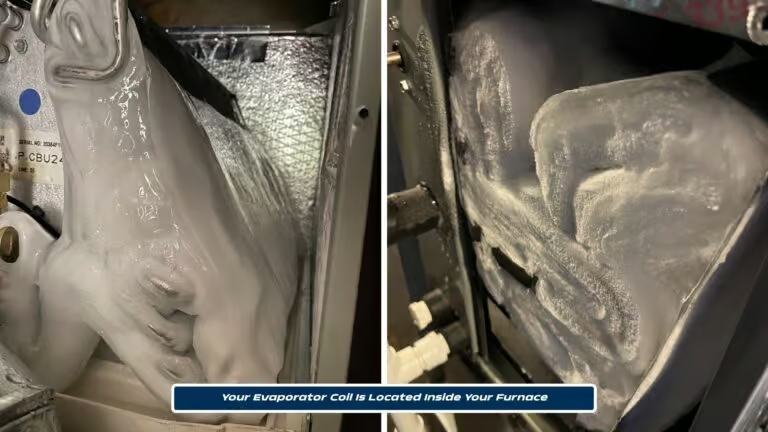
Frozen evaporator coils are a common issue that can quickly disrupt your air conditioner’s performance. This typically happens when airflow is restricted or refrigerant levels are too low. When that balance is off, the system cannot absorb heat properly, which causes condensation on the coils to freeze instead.
As the ice builds up, airflow becomes more limited, and your system loses its ability to cool your home effectively. If the A/C continues running in this condition, it can put significant strain on the compressor and lead to much more expensive damage.
You may notice ice forming on the indoor unit, reduced airflow, or warm air coming from your vents. Addressing the issue quickly is critical, as letting the system run while frozen can turn a manageable fix into a major repair. In most cases, the system should be shut off and the underlying problem resolved before restarting.
6. Drainage and Water Damage
As your air conditioner removes humidity from the air, that moisture is carried away through a condensate drain line.
When that line becomes clogged with dirt, algae, or debris, the water has nowhere to go. Instead, it can back up into the system and begin leaking into your home.
This can lead to water pooling around the unit, damage to ceilings or walls, and even mold growth if the issue is not addressed quickly. In some cases, the system may shut down entirely to prevent further damage.
Clogged drain lines are one of the most common and preventable A/C issues, yet they are often overlooked until water damage has already occurred. Routine maintenance and cleaning of the condensate line can help keep water flowing properly and prevent these problems from developing. A simple blockage can quickly turn into a costly repair if it is ignored.
7. Energy Inefficiency and Rising Utility Bills
Even if your air conditioner is still running, that does not mean it is running efficiently.
Hidden issues such as dirty filters, worn components, refrigerant problems, or aging equipment can quietly reduce your system’s performance. As efficiency drops, your A/C has to work harder and run longer to maintain the same temperature.
The result is higher energy bills without any improvement in comfort.
At the same time, this extra strain increases wear on the system, putting additional pressure on key components and making future breakdowns more likely. Over time, what starts as a small efficiency issue can lead to significantly higher costs and a shorter system lifespan.
8. Shortened System Lifespan
Most air conditioners are designed to last between 10 and 15 years, but that lifespan depends heavily on how well the system is maintained. When routine maintenance is neglected, small issues like dirty coils, restricted airflow, or ongoing strain on the system can begin to take a toll. Over time, this added stress leads to more frequent overheating, unresolved wear, and declining performance.
As these problems build, your system is forced to work harder than it should, accelerating overall wear and tear.
The result is an air conditioner that may fail years earlier than expected, forcing you to deal with a premature and often costly replacement. Consistent maintenance is one of the simplest ways to protect your investment and get the full lifespan out of your system.
How to Reduce the Risks of A/C Problems
While air conditioners can develop problems over time, many of these issues are preventable with consistent care and attention.
Here are a few steps you can take to reduce your risk:
- Schedule annual maintenance: A professional inspection can catch small issues early before they turn into major and expensive repairs.
- Change air filters regularly: Replacing your filter every 1 to 3 months helps maintain airflow, improve efficiency, and reduce strain on your system.
- Keep the outdoor unit clean: Clearing away debris, leaves, and dirt around your condenser allows your system to operate properly and avoid unnecessary stress. Using a garden hose, you can spray off the coils. Though it is important to never use a pressure washer, as it will damage the coil.
- Pay attention to warning signs: Unusual noises, reduced airflow, or rising energy bills often signal developing problems that should be addressed right away.
Taking these simple steps can help you avoid unexpected breakdowns, lower your energy costs, and extend the life of your A/C system.
Avoiding Costly A/C Problems Starts with Awareness
At the end of the day, air conditioning problems rarely come out of nowhere. They build over time, starting with small issues like restricted airflow, minor leaks, or neglected maintenance that gradually turn into larger and more expensive failures.
If you’ve ever dealt with rising energy bills, inconsistent cooling, or a system that suddenly stops working when you need it most, you know how frustrating and disruptive these problems can be.
Now that you understand what can go wrong with an A/C system and the real risks behind these issues, you are in a much better position to spot early warning signs and take action before they escalate.
Your next step is to be proactive. Whether that means scheduling a professional inspection or maintenance, taking action now can save you time, money, and stress later.
At Eco Plumbers, Electricians, and HVAC Technicians, we help homeowners identify problems early, avoid unnecessary repairs, and keep their systems running efficiently year-round. If you are unsure about the condition of your A/C or would like to explore what a replacement might cost, check out our free online estimator.