

Have you tried booking an HVAC repair, plumbing upgrade, or electrical service lately? Only to be told it’ll be days (or weeks) before anyone’s available?
Why does it seem like everything costs more, takes longer, and now involves some kind of “smart” tech that not every technician knows how to handle?
You’re not imagining it. The entire trades industry is undergoing a major shift, and it’s causing new challenges for homeowners across the country.
To help make sense of it all, we asked our trainers at The Eco Plumbers University, each with over 20 years of experience in the plumbing, HVAC, and electrical trades, to weigh in on what’s really going on.
In this article, we’ll walk you through each issue, what’s causing it, how it shows up in your home, and what you can do to stay ahead of it.
 Source: International Monetary Fund via FRED®
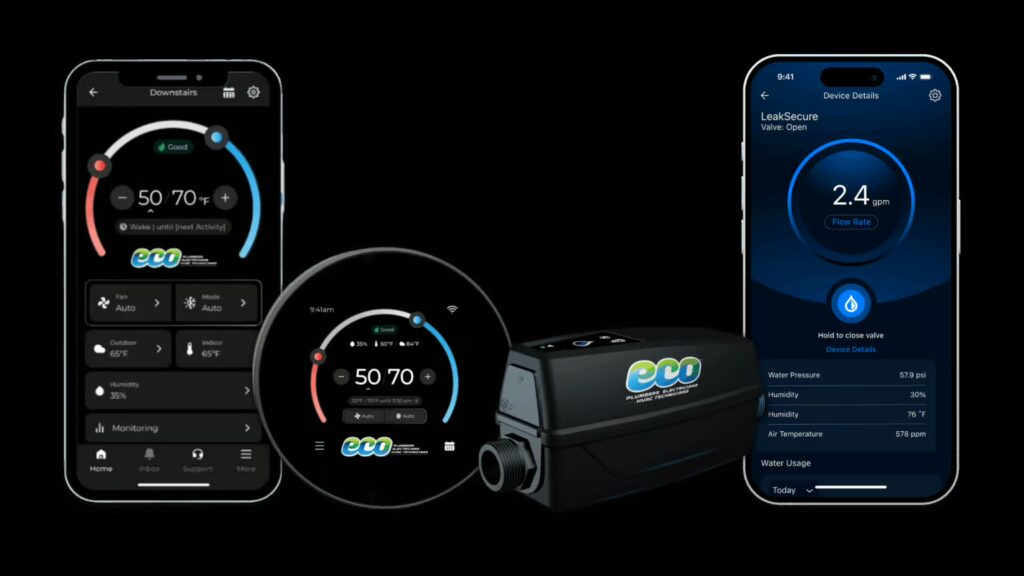 Whether it’s a Wi-Fi-enabled thermostat, a leak detection sensor that alerts your phone, or a voice-controlled lighting system, modern homes are becoming increasingly technology-centric. But many skilled tradespeople were trained before this technology became common, and adapting takes time.
Problem #1: Skilled Labor Shortages Are Slowing Down the Entire Industry
There simply aren’t enough experienced plumbers, electricians, and HVAC technicians to meet demand, and the gap is growing. The trades have long relied on apprenticeship, mentorship, and time in the field experience to pass skills from one generation to the next. But right now, those generations are retiring, and fewer young workers are stepping in to take their place.What’s Causing the Labor Shortage?
- Retirements outpace replacements: Baby Boomers who make up a large portion of the skilled trades workforce are aging out, and many are leaving without successors.
- Cultural shifts: For decades, trade work has been de-emphasized in schools in favor of college education. This has left a gap in vocational training and awareness.
- Long training curves: Unlike many jobs, you can’t fast-track becoming a master plumber or a licensed HVAC technician. Years of experience are still required, and new hires take time to ramp up.
What This Means for Homeowners
So, what does all this mean for you as a homeowner? For starters, you might find yourself waiting longer for service, sometimes days or even weeks, especially during peak seasons when demand is high. With fewer experienced technicians available, schedules fill up fast. On top of that, labor costs are rising across the board. As demand continues to outpace supply, many companies are increasing rates just to keep up. And if finding qualified help weren’t hard enough, the materials needed to do the job, like copper piping to water heaters, are getting more expensive by the day.Problem #2: Material Costs Are Rising, and It’s Not Just Inflation
From copper wiring to refrigerants and water heaters, the cost of essential parts has risen dramatically, and it’s hitting all of our wallets. Whether you’ve had to replace a water heater or install a new A/C system, you’ve likely noticed the prices aren’t what they used to be. This isn’t just inflation; it’s a combination of global and industry-specific pressures.What’s Driving The Price Increases?
-
- Global supply chain instability: COVID-19, shipping delays, and geopolitical conflicts have all impacted access to raw materials and finished goods.
- Inflation and fuel prices: Transportation and production costs have skyrocketed, impacting everything from PVC pipe to compressors.
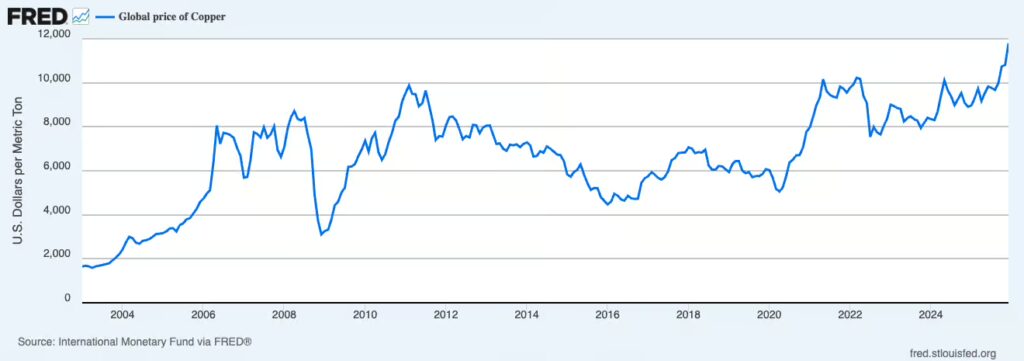
- Material-specific spikes: Take copper, for instance, its price has surged since 2020 and remains high due to global demand
Source: International Monetary Fund via FRED®
What This Means for Homeowners
In short, you’re probably paying more. Whether it’s a broken pipe, a faulty breaker box, or a system upgrade, repair costs have gone up significantly. If you’re thinking about replacing your HVAC with a more energy-efficient model, you might be surprised by the price tag. What used to be a manageable upgrade now feels out of reach for many. On top of that, pricing has become harder to predict. With material costs fluctuating so often, estimates can vary widely between contractors. And while rising prices are frustrating enough, there’s a new layer of complexity emerging: modern home systems are getting smarter, but not every technician is keeping up.Problem #3: Smart Home Systems Are Creating a New Knowledge Gap
Today’s home systems are smarter than ever, but not all technicians are ready to handle them.
Whether it’s a Wi-Fi-enabled thermostat, a leak detection sensor that alerts your phone, or a voice-controlled lighting system, modern homes are becoming increasingly technology-centric. But many skilled tradespeople were trained before this technology became common, and adapting takes time.
Why Smart Systems Are Changing the Game
- Every trade is affected: Plumbers now need to install smart valves and leak sensors. HVAC technicians must know how to integrate systems with some automation hubs. Electricians deal with energy monitoring panels and backup battery systems.
- Training takes time and money: Not every company can afford to upskill its workforce fast enough to keep up with technological advances.
- Product variety complicates things: There’s no single standard; every manufacturer has a different platform, app, or protocol.