

If you’re tired of running out of hot water or watching your energy bills climb, you’re probably wondering whether a tankless water heater could finally solve the problem. You’ve likely seen claims about energy efficiency, longer lifespan, and “on-demand” hot water, but at what cost?
At Eco Plumbers, Electricians, and HVAC Technicians, we’ve helped thousands of homeowners weigh the pros and cons of tankless systems, as we were one of the first plumbing companies in our area to install them back in 2007. We know this is one of the most common questions buyers have, especially when the price tag feels like a jump from traditional tank-style water heaters.
In this article, you’ll learn exactly what a tankless water heater costs, the pros and cons compared to a tank system, how installation works, and whether it’s really worth it for your home.
What is a Tankless Water Heater?
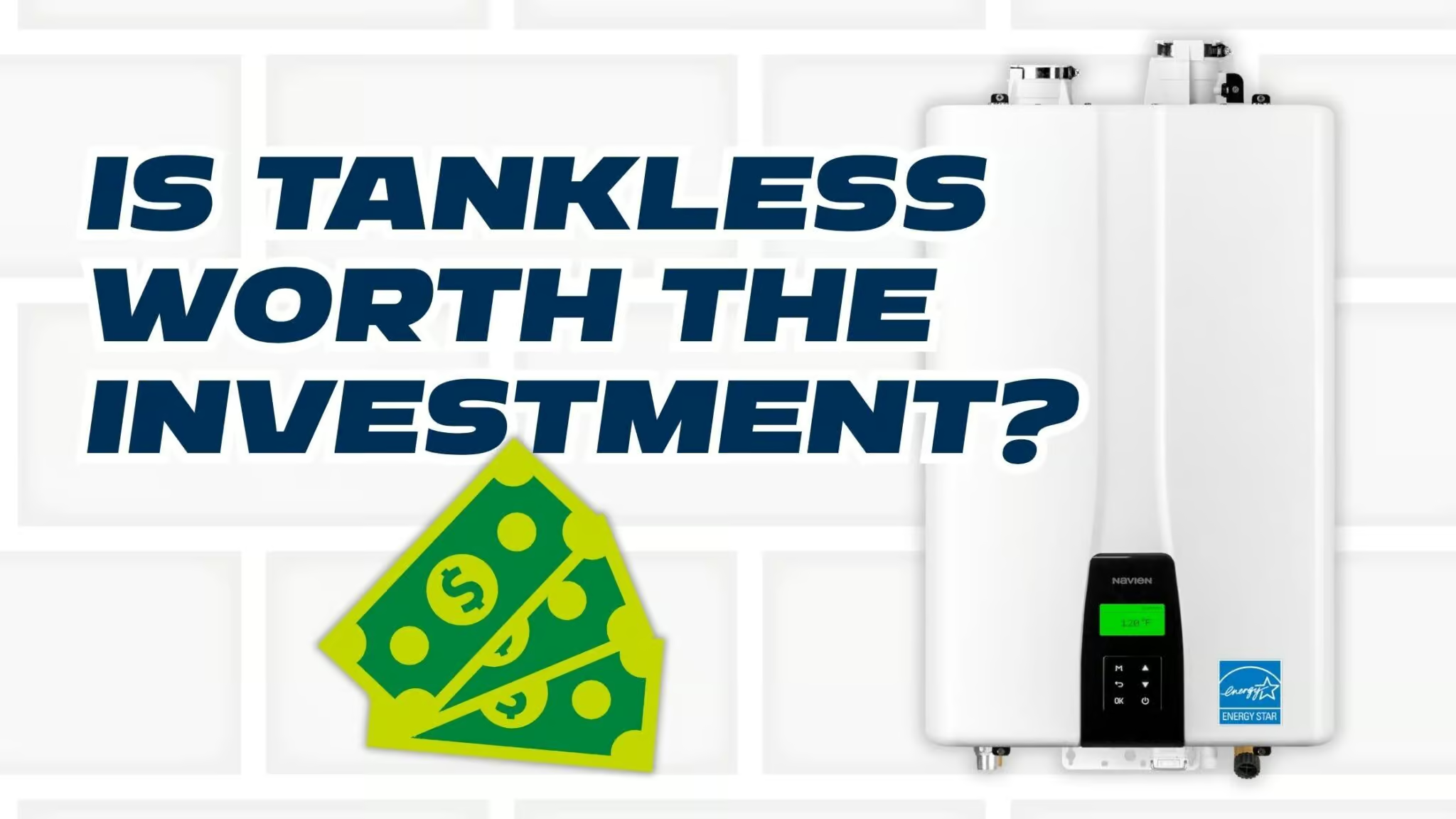
A tankless water heater, also known as an on-demand water heater, heats only when you need it. Unlike traditional models that store and constantly reheat water in a large tank, a tankless system uses high-powered burners to heat water rapidly as it flows through a heat exchanger.
No tank. No standby heat loss. Just hot water when you need it!
How Much Does a Tankless Water Heater Cost?
The total cost of installing a tankless water heater can vary widely depending on the type of unit, your home’s infrastructure, and labor rates in your area. On average, you can expect to spend between $2,400 and $6,800+ for a professionally installed tankless system.
It’s important to note that certain homes may require additional upgrades, such as larger gas lines, new venting, or electrical panel improvements, which can increase the overall cost. These additional modifications are often necessary to meet building code or to ensure the unit performs efficiently and safely in your space.
In most cases, homeowners should budget on the higher end of the range if significant infrastructure changes are needed. While upfront investment is higher than a traditional tank system, many homeowners find the long-term savings and performance benefits of tankless technology justify the cost.
Why Are Tankless Water Heaters So Expensive?
It’s a common question, and a fair one. Many homeowners experience a bit of sticker shock when comparing tankless systems to traditional tank water heaters, and it’s easy to wonder what’s driving the higher price.
The truth is, you’re not just paying for a water heater; you’re investing in long-term performance, efficiency, and durability.
Advanced Technology Built In
Tankless water heaters are engineered with sophisticated internal components designed to deliver hot water precisely when you need it. Unlike tank-style systems that slowly heat and reheat a large amount of water, tankless models use
- Smart flow sensors that detect when hot water is needed
- Modulating gas burners or electric elements that instantly respond to demand
- Digital temperature controls for precise output
These features make tankless systems highly efficient and responsive, but they also increase the manufacturing complexity and cost of the unit.
Installation is More Complex
Installing a tankless water heater is not always a plug-and-play process. In many cases, it involves
- Upgrading your home’s gas lines to accommodate the higher BTU requirements of gas-powered models
- Modifying your venting system to meet local code and ensure safe exhaust
- Adjusting your electrical panel to handle the power your unit needs
These changes require experienced plumbers and electricians, and they often add to the labor cost. Additionally, every home is different, so the scope of installation can vary significantly, further impacting the final price.
Long-Term Efficiency Comes at a Premium
While the upfront cost is higher, tankless systems are designed to last twice as long as traditional water heaters, typically 15 to 20 years. They’re also up to 30% more energy efficient, especially in households with moderate to low daily hot water usage. So what you’re really paying for is
- Lower utility bills over time
- A reduced carbon footprint
- A longer lifespan, which means fewer replacements over the years
- The comfort of unlimited hot water on demand
You’re Paying for More Than Just Hardware
A tank-style water heater is a commodity. A tankless water heater is an upgrade, like going from a flip phone to a smartphone in 2010. It’s a long-term investment in your home’s efficiency, functionality, and resale value.
Pros of a Tankless Water Heater
Let’s break down the benefits that lead many homeowners to make the switch.
Unlimited Hot Water (For Real)
Tankless systems heat water on demand, so you’ll never run out, even with back-to-back showers or multiple fixtures running.
Lower Energy Bills
Because water is only heated when needed, tankless units can be up to 30% more efficient than traditional tanks, leading to noticeable energy savings over time.
Longer Lifespan
Most units last 15-20 years, nearly double that of standard water heaters. While they cost more upfront, fewer replacements make them a smart long-term investment.
Saves Space
Wall-mounted and compact, tankless systems free up floor space, a major plus for smaller homes or tight utility areas.
Lower Risk of Water Damage
With no bulky tank to rupture or leak, the risk of major water damage is significantly lower.
Cons of a Tankless Water Heater
While tankless systems offer great benefits, there are a few trade-offs to consider.
Higher Upfront Cost
We won’t sugarcoat it. Expect to pay 2-3x more upfront compared to a traditional tank system. It’s an investment, not a quick swap like most traditional tanks.
Complex Installation
Installation may require new gas lines, venting, or electrical upgrades, which add to both the time and total cost.
Lag Time for Hot Water
Since water isn’t stored in a tank and kept hot 24/7, there’s often a few more seconds’ delay before hot water reaches your fixtures, especially in larger homes.
May Not Be Ideal for Every Home
If your household has low hot water usage or only occasional demand, a traditional tank heater may still be more practical and budget-friendly.
What To Expect During Installation
Installing a tankless water heater is more involved than swapping out a traditional tank system, and every home setup is different. A professional installation typically begins with a thorough evaluation of your current water heater, gas lines, venting, and electrical panel to determine what upgrades may be needed.
In some cases, adjustments like larger gas lines, improved ventilation, or electrical panel upgrades may be required to support the tankless system. These changes ensure your unit runs efficiently and safely, but they can add to the total time and cost.
Once the old system is removed, the new unit is mounted and connected. Your installer will test the system, walk you through how it works, and share basic maintenance tips. Depending on your home’s layout and the type of unit, installation usually takes one day.
If you’re considering going tankless, we recommend scheduling a free estimate with Eco. We’ll assess your home and provide a clear picture of what the installation will look like so you can make a confident, informed decision.
In Conclusion, Are Tankless Water Heaters Really Worth It?
At this point, you should have a clear understanding of whether a tankless water heater is the right fit for your home. We’ve broken down the real costs, benefits, drawbacks, and installation details, so you’re not left guessing when it comes to making a long-term investment in your comfort and energy efficiency.
If you’ve been frustrated by running out of hot water or are looking for ways to lower your utility bills, a tankless system could be exactly what you need, especially if you plan to stay in your home for years to come.
Still not sure which option fits your lifestyle and budget best? Your next step is to read our in-depth comparison: Tankless vs. Traditional Water Heaters: Which Should You Choose. It breaks down key differences in performance, cost, and maintenance to help you decide which system makes the most sense for your home.
At Eco Plumbers, Electricians, and HVAC Technicians, we’ve been helping homeowners navigate these decisions since 2007. Whether you’re ready to go tankless or just starting your research, we’re here to help you make the right choice with confidence.
FAQs
Do tankless water heaters increase home value?
Yes, installing a tankless water heater can increase your home’s value, especially in markets where energy efficiency and modern upgrades are highly valued. Buyers often see tankless systems as a premium feature thanks to their long lifespan, energy savings, and on-demand performance. While it’s not the only factor that boosts resale value, it can definitely be a selling point that differentiates your home.
How long does it take to install a tankless water heater?
Most professional tankless water heater installations take about one day, depending on your home’s existing infrastructure. If gas lines, venting, or electrical panels need to be upgraded, it may extend the project timeline slightly. A thorough pre-installation evaluation can help avoid surprises and ensure everything is done safely and efficiently.
Are tankless water heaters better for large families?
Tankless water heaters can be an excellent choice for large families, especially when sized correctly. They provide continuous hot water, so you won’t run out during back-to-back showers or when multiple appliances are in use. However, it’s crucial to select a unit with the right GPM (gallons per minute) capacity to match your household’s peak demand.